



Best Ways to Heat Set Jacquard Fabric Paint
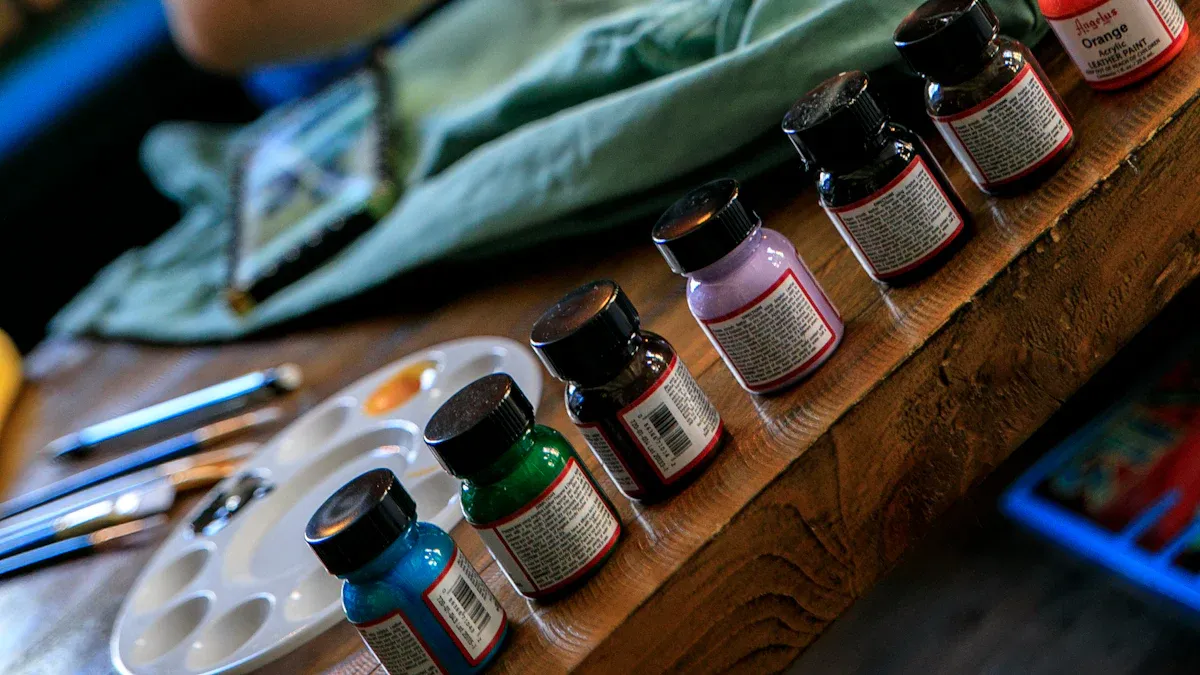
Achieving permanent, washable results for painted textiles requires proper heat setting. Artists effectively cure Jacquard Fabric paint using three primary methods: a dry iron, a heat press, or a household oven. Each technique demands precise temperature and time specifications. Adhering to these guidelines ensures the paint's durability and washfastness on the fabric.
Key Takeaways
- Heat setting makes Jacquard fabric paint permanent. It stops the paint from washing off or cracking. This process uses heat to make the paint stick to the fabric.
- You can heat set fabric paint using a dry iron, a heat press, or an oven. Each method needs specific heat and time settings. Always check the fabric type and paint instructions.
- Always let the paint dry completely before you heat set it. This usually takes at least 24 hours. Also, use a test fabric first to find the best heat settings.
- Protect your fabric and equipment during heat setting. Use a cloth or paper barrier. This stops the paint from smudging or sticking to your tools. It also prevents scorching the fabric.
- After heat setting, wait 10 to 14 days before washing the fabric. This lets the paint fully cure. This makes sure your design lasts a long time.
Why Heat Setting Jacquard Fabric Paint is Essential
Ensuring Permanence and Washability for Jacquard Fabric
Heat setting is a critical step for anyone working with fabric paints. It ensures the paint becomes a permanent part of the textile. Without proper heat treatment, painted designs risk washing away or cracking over time. This process locks the color into the fibers. It makes the artwork durable and resistant to repeated washing. Artists want their creations to last. Heat setting provides that longevity. It transforms a temporary design into a lasting piece of art on the fabric.
The Science Behind Curing Fabric Paint
The effectiveness of heat setting lies in the chemical changes it induces within the paint. Jacquard fabric paints contain polymers. These polymers act as a 'glue'. They bind the pigment particles to the fabric fibers. During heat setting, a crucial chemical reaction occurs: the cross-linking of polymers. Heat causes individual polymer strands to join together. This forms a single, large, cured coating. This process transforms the paint from a simple dry state to a fully cured state. The cured coating significantly enhances the paint's durability and washability. It creates a strong, flexible bond that withstands wear and laundering.
Method 1: Heat Setting Jacquard Fabric Paint with a Dry Iron
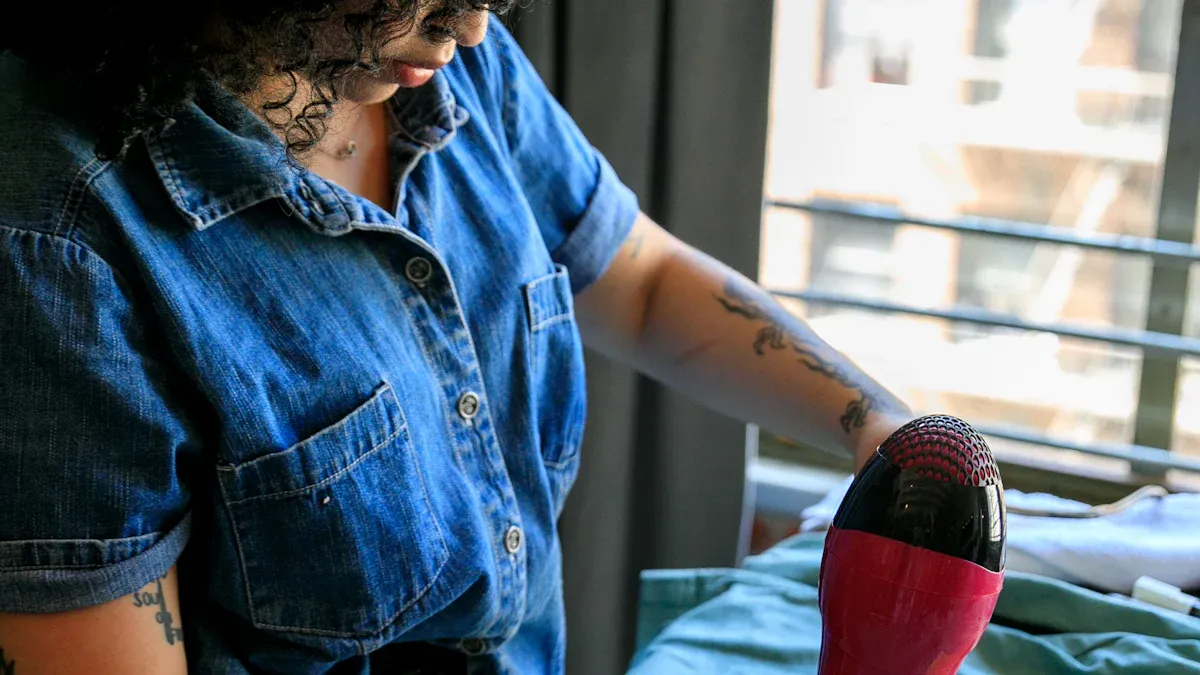
Preparing Your Painted Jacquard Fabric
Proper preparation ensures successful heat setting with a dry iron. Artists must allow the painted fabric to dry completely before ironing. This typically takes at least 24 hours. The paint should feel dry to the touch. Placing a thin, clean cloth, such as a cotton pillowcase or parchment paper, over the painted design is crucial. This protective layer prevents direct contact between the iron and the paint. It also safeguards the iron's soleplate from paint residue. Additionally, it protects the fabric from potential scorching. Prepare a flat, heat-resistant surface for ironing. An ironing board works well.
Recommended Iron Temperature Settings for Jacquard Fabric
Selecting the correct iron temperature is vital for effective heat setting. The ideal temperature depends on the fabric composition. Different materials require specific heat levels to cure the paint without damaging the textile. Refer to the fabric care label for guidance. Generally, higher temperatures are suitable for natural fibers like cotton. Lower temperatures are necessary for delicate materials such as silk or synthetics. The following table provides recommended temperature ranges for various Jacquard fabric types:
| Fabric Type | Temperature Range (°C) | Temperature Range (°F) |
|---|---|---|
| Cotton Jacquard | 180 - 200 | 356 - 392 |
| Silk Jacquard | 110 - 130 | 230 - 266 |
| Polyester Jacquard | 140 - 160 | 284 - 320 |
| Blended Jacquard | 160 - 180 | 320 - 356 |
| Plumetis Fabric | 140 - 160 | 284 - 320 |
| Chenille Jacquard | 110 - 130 | 230 - 266 |
| Rayon Jacquard | 150 - 170 | 302 - 338 |
Always begin with a lower temperature setting if unsure. Gradually increase the heat as needed.
Step-by-Step Ironing Technique
Follow a precise technique for optimal heat setting with a dry iron. First, ensure the iron is completely dry; steam functions must be off. Place the prepared fabric, with its protective cloth, on the ironing surface. Press the iron firmly onto a section of the painted area. Hold the iron in place for 30 seconds to 1 minute. Avoid sliding the iron back and forth as one would when ironing clothes. This can smudge the paint. Instead, lift the iron and move it to an adjacent unheated section. Overlap each press slightly to ensure even heat distribution. Continue this process until the entire painted design receives adequate heat. For larger designs, this may take several minutes. Flip the fabric over and repeat the process on the reverse side for added durability. This ensures thorough curing from both sides.
Essential Tips for Iron Heat Setting
Successful heat setting with a dry iron requires attention to detail. Artists can achieve durable, long-lasting results by following several key recommendations. These tips help protect the fabric and ensure proper paint curing.
-
Always Use a Pressing Cloth: A thin, clean cloth acts as a crucial barrier. It prevents direct contact between the hot iron and the painted design. This protection safeguards the paint from scorching or smudging. It also keeps the iron's soleplate clean. Many artists use a cotton pillowcase or parchment paper for this purpose.
-
Avoid Steam: Ensure the iron's steam function remains completely off. Steam introduces moisture, which can interfere with the paint's curing process. Dry heat is essential for effectively bonding the paint to the fabric fibers. Moisture may also cause uneven heat distribution.
-
Work in Small, Overlapping Sections: Do not slide the iron across the painted area. Instead, press the iron down firmly on one section. Hold it for the recommended time. Then, lift the iron and move it to an adjacent, unheated section. Overlap each press slightly. This method ensures even heat distribution across the entire design. It prevents missed spots and promotes consistent curing.
-
Check Fabric Care Labels: Different fabrics tolerate varying heat levels. Always consult the fabric's care label before setting the iron temperature. Synthetics and delicate materials require lower heat. Natural fibers like cotton can withstand higher temperatures. Adjust the iron setting accordingly to prevent fabric damage.
-
Perform a Test Swatch: Before heat setting the main project, artists should always conduct a test. Use a small scrap piece of the same fabric. Apply a small amount of paint to this swatch. Heat set it according to the planned method. This confirms the correct temperature and duration. It prevents potential damage to the final artwork.
-
Allow Adequate Cooling Time: After heat setting, allow the fabric to cool completely. The paint continues to cure as it cools. Handling the fabric too soon may compromise the bond. Let it rest for several hours, or even overnight, before washing or extensive handling.
-
Consider Ironing from the Reverse Side: For delicate fabrics or intricate designs, ironing from the reverse side offers an additional layer of protection. Place the pressing cloth on the painted side. Then, iron the unpainted reverse side of the fabric. This method still transfers heat through the fabric to cure the paint. It minimizes direct contact with the paint surface.
These essential tips contribute significantly to the longevity and washability of painted textile creations. They help artists achieve professional-quality results with their Jacquard Fabric paint projects.
Method 2: Heat Setting Jacquard Fabric Paint with a Heat Press
Advantages of Using a Heat Press for Jacquard Fabric
A heat press offers significant advantages for heat setting Jacquard fabric paint. It provides consistent, even pressure and temperature across the entire painted area. This uniformity ensures thorough curing of the paint. Artists achieve professional-quality results with a heat press. The controlled environment minimizes the risk of scorching or uneven heat distribution. This often occurs with a household iron. Heat presses also save time, especially for large projects or multiple items. They apply heat and pressure simultaneously, which streamlines the heat-setting process. This efficiency makes them ideal for small businesses or frequent crafters. The precise control over temperature and time settings also contributes to the paint's durability and washfastness.
Optimal Temperature and Time for Heat Presses
Determining the optimal temperature and time for heat pressing Jacquard fabric paint requires careful consideration. Manufacturers typically provide specific instructions for their paints. Always consult these guidelines first. General recommendations suggest temperatures between 160°C and 190°C (320°F and 375°F). Pressing times usually range from 20 to 40 seconds. The fabric type also influences these settings. Delicate materials like silk or rayon require lower temperatures and shorter durations. Durable fabrics such as cotton or polyester tolerate higher heat and longer pressing times. Always perform a test on a scrap piece of the same fabric. This confirms the correct settings before pressing the final artwork.
| Fabric Type | Temperature Range (°C) | Temperature Range (°F) | Time (Seconds) |
|---|---|---|---|
| Cotton | 180 - 190 | 356 - 375 | 30 - 40 |
| Polyester | 160 - 170 | 320 - 338 | 20 - 30 |
| Blends | 170 - 180 | 338 - 356 | 25 - 35 |
| Silk/Rayon | 150 - 160 | 302 - 320 | 15 - 20 |
The Heat Press Process Explained
The heat press process involves several straightforward steps. First, artists preheat the heat press to the recommended temperature. This ensures the machine reaches the desired heat before use. Next, they place the painted fabric onto the lower platen of the heat press. The painted design should face upwards. A protective sheet, such as parchment paper or a Teflon sheet, covers the painted area. This barrier prevents the paint from sticking to the upper platen. It also protects the fabric from direct heat. Close the heat press, applying firm, even pressure for the specified duration. The machine's timer counts down the pressing time. Once the timer finishes, open the heat press. Carefully remove the fabric. Allow the fabric to cool completely on a flat surface. This cooling period allows the paint to fully cure and bond with the fibers.
Protecting Your Jacquard Fabric and Equipment
Protecting both the painted fabric and the heat press equipment is crucial during the heat setting process. This step prevents damage to the textile and ensures the longevity of the machinery. Direct contact between the hot platen and the painted design can cause scorching, smudging, or even transfer paint onto the press. Such incidents compromise the artwork and necessitate cleaning the equipment. Artists must always use a protective barrier. This barrier acts as a shield. It safeguards the fabric from excessive heat and prevents paint from adhering to the heat press platens.
Several materials serve effectively as protective barriers. A thin cloth, such as a cotton sheet or pillowcase, offers a breathable layer. It allows heat to pass through while preventing direct contact. Parchment paper provides another excellent option. Its non-stick surface ensures paint does not transfer to the press. Many professionals also utilize a thin layer of heat-resistant fabric, like a Teflon sheet. This material is reusable and highly durable. It withstands repeated high-temperature applications.
To implement protection, artists place the chosen barrier directly over the painted design on the fabric. This ensures the barrier covers the entire painted area. The heat press then closes, applying heat and pressure through this protective layer. This method effectively cures the paint without risking damage to the fabric or the equipment. After heat setting, artists carefully remove the protective material. They allow the fabric to cool completely. This careful approach ensures a successful heat-setting outcome every time.
Method 3: Heat Setting Jacquard Fabric Paint with a Household Oven
When to Choose Oven Heat Setting for Jacquard Fabric
Artists often select oven heat setting for specific types of projects. This method proves particularly effective for items difficult to iron or press flat. These items include shoes, hats, or three-dimensional objects. The oven provides a consistent, all-encompassing heat environment. This ensures thorough curing of paint on irregular surfaces. It eliminates the need for direct contact, which can smudge delicate designs. Oven curing is also a practical choice for multiple small items. Artists can heat set several pieces simultaneously. This saves time compared to individual ironing or pressing. However, users must exercise caution. A user reported experiencing scorching issues when attempting to heat set fabric paint in a kitchen oven. This highlights the importance of precise temperature control and proper protection.
Oven Preparation and Fabric Protection
Proper preparation is crucial for successful oven heat setting. Artists must ensure the painted fabric is completely dry before placing it in the oven. This typically requires at least 24 hours of air drying. The oven itself needs preheating to the correct temperature. This ensures a stable heat environment from the start. Protecting the fabric from direct heat and potential scorching is paramount.
Tip: To prevent fabric damage during oven heat setting:
- Loosely roll the fabric.
- Place the fabric between layers of unprinted newsprint.
- Put the rolled fabric in a dry oven.
- Heat for 2 to 3 minutes at 350°F (180°C).
This method creates a protective buffer. It shields the fabric from direct radiant heat. It also prevents any potential discoloration or scorching. Avoid using printed newspaper. The ink can transfer to the fabric under heat. Ensure the fabric does not touch the oven walls or heating elements. This prevents localized overheating.
Specific Oven Temperature and Time Guidelines
Precise temperature and time settings are essential for effective oven curing. General guidelines suggest heating Jacquard Fabric paint at 300°F (150°C) for 10 to 15 minutes. However, these settings can vary based on the fabric type and paint thickness. Always consult the specific instructions provided by the paint manufacturer. They offer the most accurate recommendations for their product. For delicate fabrics, consider slightly lower temperatures and shorter durations. For thicker applications of paint or more durable fabrics, the higher end of the recommended range may be appropriate.
Important Note: Always monitor the fabric closely during the oven curing process. Ovens can have hot spots. Adjust placement or time as needed to prevent scorching.
After the designated heating time, turn off the oven. Allow the fabric to cool completely inside the oven. This gradual cooling helps the paint cure properly. It also prevents thermal shock to the fabric. Removing the fabric too soon can compromise the paint's bond.
Safety Considerations for Oven Curing
Oven curing fabric paint requires careful attention to safety. Users must prioritize safety to prevent accidents and ensure successful results. This method involves high temperatures and potential fumes.
- Ensure Adequate Ventilation: Fabric paints can release fumes during the curing process. Some fumes may be irritating or harmful. Users should always work in a well-ventilated area. Open windows and doors. Use an exhaust fan if available. This helps dissipate any airborne chemicals.
- Monitor Oven Temperature Accurately: Household ovens often have temperature fluctuations. Their internal thermostats may not be perfectly accurate. Users should place an oven thermometer inside the oven. This provides a precise temperature reading. Maintaining the correct temperature prevents scorching the fabric or under-curing the paint.
- Prevent Fire Hazards: Fabric is flammable. Users must ensure the fabric does not touch the oven's heating elements. Keep the fabric away from oven walls. These areas can become extremely hot. Never leave the oven unattended while curing fabric. Have a fire extinguisher nearby as a precaution.
- Avoid Food Contamination: Do not bake food in the oven simultaneously with painted fabric. Paint fumes or particles could contaminate food. After curing fabric, thoroughly clean the oven. This removes any residual paint odors or substances. This practice ensures the oven remains safe for food preparation.
- Use Appropriate Protective Gear: The fabric and baking sheet will be very hot when removed from the oven. Users should always wear oven mitts or heat-resistant gloves. This prevents burns. Handle hot items carefully.
- Verify Material Compatibility: Ensure both the fabric and the paint are suitable for oven temperatures. Most fabric paints are designed for heat setting. However, some delicate fabrics may not withstand prolonged high heat. Avoid placing any plastic components or embellishments in the oven. These can melt or release toxic fumes.
Following these safety guidelines helps ensure a safe and effective oven curing process. Users can achieve durable, professional results without compromising safety.
General Best Practices for Heat Setting Jacquard Fabric Paint
Allowing Paint to Dry Completely
Artists must allow painted Jacquard Fabric to dry completely before heat setting. This crucial step prevents smudging or smearing the design during the curing process. It also ensures the paint has sufficient time to air-dry and prepare for the heat-induced chemical bonding. Typically, paint requires at least 24 hours to dry to the touch. Rushing this stage can compromise the final result, leading to uneven curing or paint transfer. Patience during the drying phase contributes significantly to the durability and appearance of the finished artwork.
The Importance of Test Swatches
Testing is a fundamental practice for successful heat setting. Artists should always prepare test swatches before working on the main project. This involves applying a small amount of paint to a scrap piece of the same fabric. Then, they heat set this swatch using the intended method and settings.
Every fabric will behave differently so definitely do some tests on fabric scraps.
This allows artists to confirm the optimal temperature and time for their specific fabric and paint combination. It helps prevent potential damage, such as scorching or improper paint adhesion, on the final artwork. Test swatches provide valuable insights into how the paint will react to heat on that particular material.
Avoiding Common Heat Setting Mistakes
Several common errors can undermine the heat-setting process. Artists should avoid these pitfalls to ensure durable and vibrant results. One frequent mistake involves not using a protective barrier, such as a pressing cloth or parchment paper. Direct contact between the heat source and the paint can cause scorching, smudging, or sticking. Another error is applying incorrect temperature or duration. Too little heat results in under-cured paint, leading to poor washfastness. Excessive heat can scorch the fabric or cause the paint to crack. Rushing the process, especially the initial drying time, also compromises the paint's bond. Finally, neglecting to allow the fabric to cool completely after heat setting can weaken the paint's adhesion. Adhering to recommended guidelines and taking a methodical approach prevents these issues.
Post-Heat Setting Waiting Period Before Washing
Artists must observe a crucial waiting period after heat setting fabric paint. This waiting period is essential for the paint to achieve its maximum durability and washfastness. Many consider the heat-setting process complete once the item cools. However, the paint continues to cure and strengthen its bond with the fabric fibers during the days following heat application. This ongoing chemical process ensures the paint fully adheres to the textile.
Experts recommend waiting 10 to 14 days before washing the item. This extended period allows the paint's polymers to fully cross-link and solidify. Rushing the washing process can compromise the paint's adhesion. It may lead to premature cracking, peeling, or fading of the design. The paint needs this additional time to become truly permanent.
Patience during this post-setting phase significantly impacts the longevity of painted creations. Treat the item gently during this waiting period. Avoid excessive bending or stretching of the painted areas. This careful handling prevents any stress on the still-curing paint. Once the recommended waiting time passes, the item is ready for its first wash. Following this guideline ensures the artwork remains vibrant and intact for many years. This final step in the curing process guarantees professional, lasting results.
Troubleshooting Common Heat Setting Issues with Jacquard Fabric Paint
Addressing Paint Peeling or Cracking
Artists sometimes encounter paint peeling or cracking after heat setting. Several factors contribute to these issues. One common cause involves using a clothes dryer for drying or after washing. Dryers can cause paint to crack due to heat and friction. Air drying is recommended for preserving painted designs. Insufficient curing time before heat setting also leads to problems. Paint needs to cure before it fully bonds with fabric fibers. Waiting at least 24 hours before heat-setting is crucial to prevent damage and ensure the paint locks into place.
To prevent peeling or cracking:
- Ensure paint is 100% dry before heat setting; waiting at least 24 hours is recommended. If paint is only dry to the touch, it may not be fully cured.
- Avoid heat setting between layers of paint. It is better to apply all layers and then perform a single heat setting step. Heat setting essentially turns brushstrokes into a single piece of paint. Heat setting between layers creates multiple stacked 'sheets' of paint, which can lead to peeling.
Preventing Fabric Scorching or Discoloration
Fabric scorching or discoloration during heat setting is a common concern. Artists can prevent these issues with careful technique. Iron the fabric at the highest temperature suitable for the material. Iron from the reverse side of the fabric for 5 minutes. Alternatively, place a clean, dry cloth over the design's front and iron for 5 minutes. Avoid using steam during the heat-setting process. Continuously move the iron to prevent scorching the fabric. These methods ensure even heat distribution and protect the fabric's integrity.
Resolving Tacky Paint After Heat Setting
Occasionally, paint remains tacky even after heat setting. This indicates incomplete curing. The paint did not receive enough heat or time to fully bond with the fabric fibers. To resolve tackiness, re-heat set the item. Increase the temperature slightly or extend the heat-setting duration. Always use a protective barrier during this process. Ensure the paint is completely dry before re-applying heat. Sometimes, environmental factors like high humidity can also contribute to tackiness. Allow the item to air dry in a low-humidity environment after re-setting.
Maintaining Your Heat-Set Jacquard Fabric Creations
Best Practices for Washing and Drying
Proper care ensures the longevity and vibrancy of heat-set fabric paint. Artists should always turn garments inside out before washing. This protects the painted design from abrasion during the wash cycle. Use cold water and a gentle cycle with a mild detergent. Avoid harsh chemicals like bleach, as these can degrade the paint and fabric fibers. After washing, line dry the items. Alternatively, tumble dry them on low heat. These steps help prevent fading, peeling, or cracking of the design. Remember, a resting period of 3 to 7 days after heat-setting is crucial before the first wash. Some recommendations extend this to 14 days. This allows the paint to fully cure and integrate with the fabric fibers.
Long-Term Care for Painted Fabrics
Long-term care extends the life of painted fabric creations. Store items properly to prevent unnecessary wear on the painted areas. Fold or roll garments carefully to avoid sharp creases across the design. Avoid prolonged exposure to direct sunlight, which can cause colors to fade over time. When ironing, always place a protective cloth over the painted area. Iron from the reverse side if possible. This prevents direct heat contact with the paint. Handle painted items gently during daily use. This minimizes stress on the paint bond. Following these practices helps maintain the integrity and appearance of your artwork for years.
Properly heat setting Jacquard fabric paint is crucial for achieving permanent, washable results. Artists utilize an iron, heat press, or oven. Each method requires specific temperature and time guidelines. Adhering to these instructions ensures the paint bonds effectively with the fabric fibers. This process guarantees the longevity and vibrancy of all painted creations, making them durable and ready for use.
FAQ
How does one heat set Jacquard paint on all fabric types?
Most fabrics are suitable for heat setting. However, delicate materials like silk or rayon require lower temperatures and shorter times. Always check the fabric's care label. Perform a test on a scrap piece first. This prevents damage to the main project.
What happens if one does not heat set the paint?
Without heat setting, the paint will not permanently bond with the fabric fibers. The design will likely wash out or crack after laundering. Heat setting ensures durability and washfastness. It makes the artwork a lasting part of the textile.
How long does the paint need to dry before heat setting?
Artists should allow the paint to dry completely before heat setting. This typically takes at least 24 hours. The paint must feel dry to the touch. Rushing this step can cause smudging or uneven curing during the heat application.
Is it possible to over-heat set the paint?
Yes, over-heat setting can damage both the paint and the fabric. Excessive heat or prolonged exposure can scorch the fabric. It can also cause the paint to become brittle or crack. Always follow recommended temperature and time guidelines.