



Beyond Comfort Why Women Are Loving Bamboo Underwear in 2026

Bamboo underwear has seen an undeniable rise in women's intimate apparel. Its multifaceted appeal extends far beyond mere softness. This eco-friendly bamboo fabric for women's underwear is now the go-to choice for conscious women. A 2025 market report indicates 40% of buyers prioritize sustainable options in women's innerwear sales.
Key Takeaways
- Bamboo underwear is very soft and gentle on the skin. It feels like silk or cashmere.
- Bamboo fabric helps your skin breathe and keeps you cool. It also pulls sweat away from your body.
- Bamboo is good for the planet. It grows fast and uses less water than cotton.
The Unmatched Benefits of Eco-friendly Bamboo Fabric for Women's Underwear

Superior Softness and Gentle Feel
Women consistently seek comfort in intimate apparel. Bamboo fabric delivers an unparalleled softness, often described as feeling like cashmere or silk. The fibers of bamboo are naturally smooth and round, lacking sharp spurs that can irritate skin. This inherent characteristic creates a gentle touch against the body, minimizing friction and enhancing overall comfort throughout the day. The luxurious texture of this fabric makes it a preferred choice for daily wear.
Breathability and Thermal Regulation
Effective breathability is crucial for intimate apparel, preventing discomfort and promoting skin health. Bamboo fabric features a unique micro-gap structure, allowing for superior air circulation. This design facilitates the natural regulation of body temperature. A scientific study, "Comparison of regenerated bamboo and cotton performance in warm environment," demonstrates bamboo fabric's effectiveness in thermal regulation for skin comfort. This research, which included both theoretical analysis and practical measurements, found that garments made from 100% regenerated bamboo significantly reduced both garment thickness and the rate of heat storage in the human body, all while maintaining comfort. This suggests bamboo is an excellent material for summer clothing due to its low thermal conductivity. The fabric keeps the wearer cool in warm conditions and provides warmth when temperatures drop, offering year-round versatility.
Advanced Moisture-Wicking Properties
Moisture management is a key performance indicator for underwear. Bamboo fabric excels in this area, possessing advanced moisture-wicking capabilities. It efficiently draws moisture away from the skin, moving it to the fabric's surface where it can evaporate quickly. This process keeps the skin dry and comfortable.
Here is a comparison of sweat absorption capacity among different fabrics:
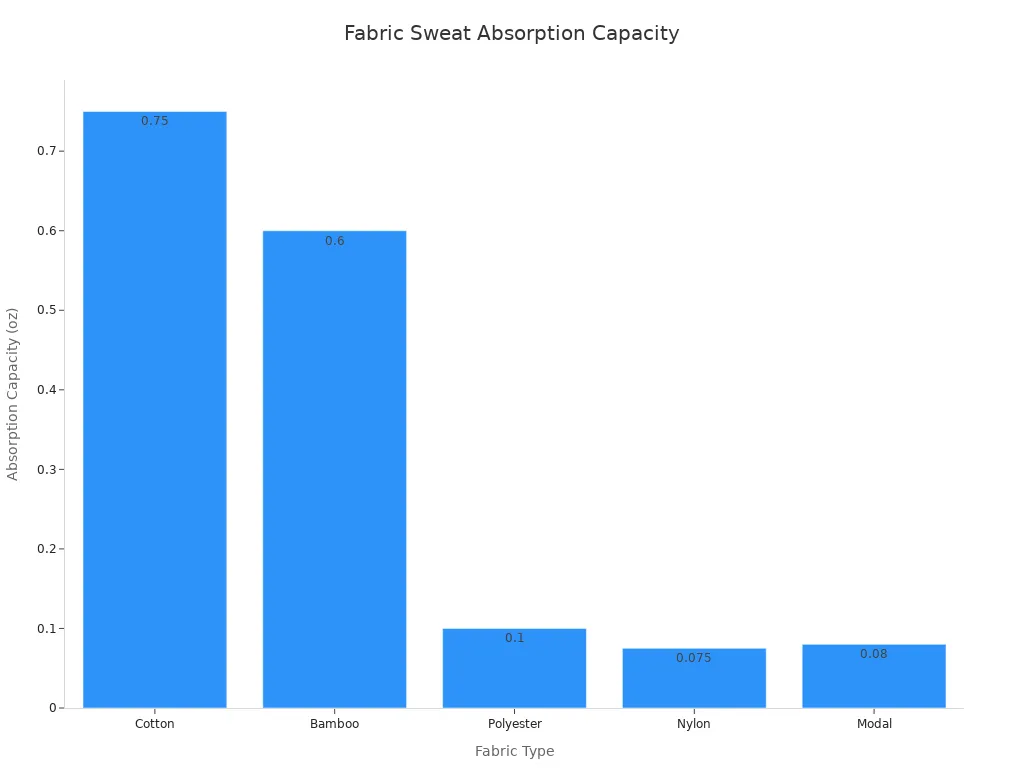
Bamboo absorbs up to three times its weight in water before it feels wet, indicating its high moisture absorption capacity. This characteristic ensures the fabric remains dry against the skin, preventing the clammy feeling often associated with less absorbent materials. This makes eco-friendly bamboo fabric for women's underwear a superior option for active lifestyles and everyday wear.
Natural Hypoallergenic Qualities
Many individuals experience skin sensitivities or allergies, making fabric choice a critical consideration. Bamboo fabric offers natural hypoallergenic qualities, making it an ideal choice for sensitive skin. Its fibers are inherently soft and smooth, which helps minimize skin irritation. The production process for bamboo fabric often avoids harsh chemicals, reducing the likelihood of allergic reactions. Furthermore, bamboo possesses natural antimicrobial properties, fostering a hygienic skin environment. It is free from pesticides and pollutants commonly found in conventional fabrics, thereby lowering the risk of allergies and skin conditions. The superior breathability of bamboo fabric prevents moisture accumulation, which can safeguard against skin irritations. Clinical studies have demonstrated that bamboo fabric significantly reduces bacteria by 97%, contributing to a more hygienic environment for sensitive skin. Natural fibers, including bamboo, have been reported to improve comfort for patients with atopic dermatitis. Trials have indicated that individuals using bamboo fabric experienced faster healing compared to those using cotton.
Odor Resistance and Antimicrobial Action
Odor resistance is a highly valued attribute in intimate apparel. Bamboo fabric naturally combats odor-causing bacteria through its inherent antimicrobial properties. The primary natural antimicrobial agent found in bamboo plants is Bamboo Kun. This compound provides natural antibacterial, antifungal, and antiviral properties by damaging bacterial cell walls, hindering reproduction and spread, and preventing mold, mildew, and even influenza virus. Studies have shown its effectiveness, with one indicating it could kill up to 80% of bacteria on a surface. Additionally, bamboo's super-absorbent nature significantly reduces the damp environments where bacteria thrive, thereby minimizing odor-causing bacterial breeding grounds. This combination of natural antimicrobial agents and effective moisture management ensures that eco-friendly bamboo fabric for women's underwear remains fresh and odor-free for longer periods.
Why Eco-friendly Bamboo Fabric Outperforms Traditional Underwear in 2026
Bamboo fabric has emerged as a superior choice in intimate apparel. It consistently outperforms traditional materials like cotton and synthetics. This section explores the specific advantages bamboo offers, highlighting its advanced properties and sustainable profile.
Performance Advantages Over Cotton
Bamboo fabric offers significant performance benefits over traditional cotton, especially in breathability and comfort. Its unique fiber structure allows for superior air circulation. This characteristic keeps the wearer cooler and drier.
| Characteristic | Bamboo Fabric | Cotton Fabric |
|---|---|---|
| Air Permeability | 20% higher than cotton | Baseline |
Bamboo fabric demonstrates 20% higher air permeability compared to cotton fabric. This allows for better airflow and breathability in underwear. SzoneierFabrics' 180 GSM bamboo interlock knit achieved an air permeability of 282 mm/s in SGS testing. This significantly surpasses the 220 mm/s average for cotton jersey. This enhanced airflow helps regulate body temperature more effectively. It reduces the clammy feeling often associated with cotton, especially during physical activity or in warm climates. The smooth, round fibers of bamboo also reduce friction against the skin. This minimizes irritation that cotton's coarser fibers can sometimes cause.
Durability and Longevity Compared
Durability is a key factor for consumers when choosing underwear. Bamboo underwear generally offers a longer lifespan and maintains its shape better after numerous washes when compared to cotton underwear. Its fibers are strong and resilient. This allows bamboo to retain shape and softness while resisting pilling and wear over time. It often outlasts cotton in maintaining quality and appearance against daily wear and tear.
| Feature | Bamboo Fabric | Cotton Fabric |
|---|---|---|
| Dry Tensile Strength | 450–550 MPa | 350–450 MPa |
| Wet Tensile Strength | 500–600 MPa (30–40% stronger than cotton when wet) | 280–350 MPa (weakens by 15–20% when wet) |
| Pilling Resistance | High (30–40% fewer pilling occurrences) | Variable (more prone to pilling, especially in carded yarns) |
| Tensile Strength Retention (after 50 washes) | 92% | 78% |
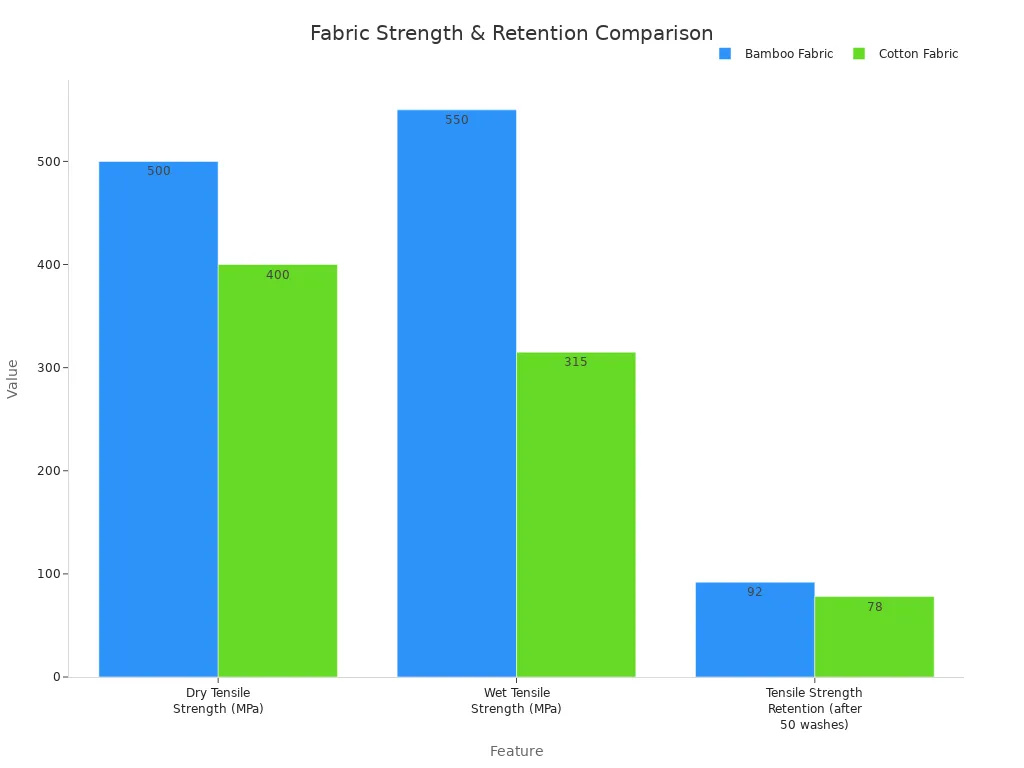
Bamboo fibers possess a smooth longitudinal surface. This significantly minimizes friction and reduces lint formation. This inherent smoothness contributes to bamboo knitwear and activewear exhibiting 30–40% fewer pilling occurrences in abrasion tests. In contrast, cotton's surface irregularities make it more susceptible to pilling. This is particularly true in carded yarns or low-twist constructions. While high-quality combed cotton can reduce this gap, bamboo generally maintains a superior clean and sleek surface after extended wear. This makes eco-friendly bamboo fabric for women's underwear a more enduring choice.
Sustainability Gap with Synthetics
Synthetic fabrics, such as polyester and nylon, dominate much of the apparel market. However, they present significant environmental challenges. These materials derive from petroleum, a non-renewable resource. Their production often involves energy-intensive processes and releases harmful chemicals. Furthermore, synthetic garments shed microplastic fibers during washing. These microplastics pollute waterways and harm marine life. Synthetics are also not biodegradable. They persist in landfills for hundreds of years.
Bamboo, conversely, offers a stark contrast. It grows rapidly without pesticides or excessive water. Its cultivation has a minimal environmental footprint. The processing of bamboo into fabric, particularly through closed-loop systems, minimizes chemical waste. Bamboo fabric is also biodegradable. It returns to the earth naturally at the end of its life cycle. This makes bamboo a far more sustainable option compared to synthetics.
The Future of Intimate Apparel
The intimate apparel market is evolving. Consumers increasingly demand products that offer both performance and ethical considerations. Bamboo fabric stands at the forefront of this evolution. It combines luxurious comfort, advanced functional properties, and a strong commitment to environmental responsibility. Its natural breathability, moisture-wicking capabilities, and hypoallergenic qualities address core consumer needs. Its sustainable sourcing and biodegradability align with growing ecological awareness. As technology advances, bamboo fabric production will become even more efficient and environmentally friendly. This positions bamboo as the definitive material for the future of intimate apparel. It offers a holistic solution for conscious consumers seeking comfort, health, and sustainability.
Embracing the Eco-friendly Choice: Bamboo's Green Impact

Sustainable Sourcing and Growth
Bamboo stands out for its sustainable sourcing and rapid growth. It requires significantly less water than conventional crops. Cotton, for example, needs over 10,000 liters of water per kilogram of fiber. In contrast, bamboo grows with natural rainfall.
| Metric | Bamboo | Cotton |
|---|---|---|
| Water consumption per kg fiber | 800–1,000 L | 15,000–20,000 L |
| Primary water source | Rainwater | Irrigation (70–80%) |
Bamboo also demonstrates efficient land use. It produces nearly double the timber per acre compared to traditional pine plantations. This highlights its potential for higher yield from a given land area.
Reduced Environmental Footprint
The cultivation of bamboo significantly reduces environmental impact. It requires minimal irrigation and no chemical fertilizers, unlike cotton farming. This reduces pollution from these substances. Bamboo fibers naturally possess antibacterial properties. This lessens the need for chemical treatments during fabric production. It limits chemical pollution in water sources.
Biodegradability and Ethical Production
Bamboo fabric offers a biodegradable solution, returning to the earth naturally. Certifications ensure ethical production.
- Forest Stewardship Council (FSC): Guarantees products come from well-managed forests and responsible origins. It ensures traceability and integrity through strict control measures.
- Nordic Swan Ecolabel: Evaluates a product's environmental impact throughout its entire life cycle, from raw material selection to disposal, promoting sustainability.
- EU Ecolabel: Assesses the environmental impact of a product across its entire life cycle, from raw materials to production, ensuring stringent environmental requirements are met.
These certifications ensure stringent environmental requirements.
A Conscious Decision for the Planet
Choosing bamboo underwear represents a conscious decision for the planet. Consumers increasingly favor brands demonstrating strong commitments to eco-friendly practices. A 2020 survey revealed two-thirds of respondents prioritize efforts to limit climate change. Younger generations opt for biodegradable and organic materials. This trend makes eco-friendly bamboo fabric for women's underwear a leading choice for a sustainable future.
Bamboo underwear firmly establishes itself as the leading choice for women's intimate apparel. It offers a perfect blend of comfort, health, and sustainability. This innovative fabric provides superior softness, breathability, and eco-friendly benefits.
- Comfort: Unmatched softness and gentle feel.
- Health: Breathable, hypoallergenic, and odor-resistant.
- Sustainability: Eco-friendly sourcing and biodegradability.
Consumers should make a mindful switch to bamboo for a better future.
FAQ
❓ Is bamboo underwear truly sustainable?
Yes, bamboo grows rapidly without pesticides or excessive water. It has a minimal environmental footprint. Its cultivation and processing are eco-friendly.
☁️ How does bamboo underwear feel compared to cotton?
Bamboo underwear feels significantly softer and smoother than cotton. It offers a luxurious, gentle touch against the skin. Many describe it as feeling like silk.
🌿 Can bamboo underwear help with sensitive skin?
Yes, bamboo's natural hypoallergenic and antimicrobial properties minimize irritation. It creates a hygienic environment for sensitive skin. This reduces the risk of allergies.