



what is brocade fabric used for
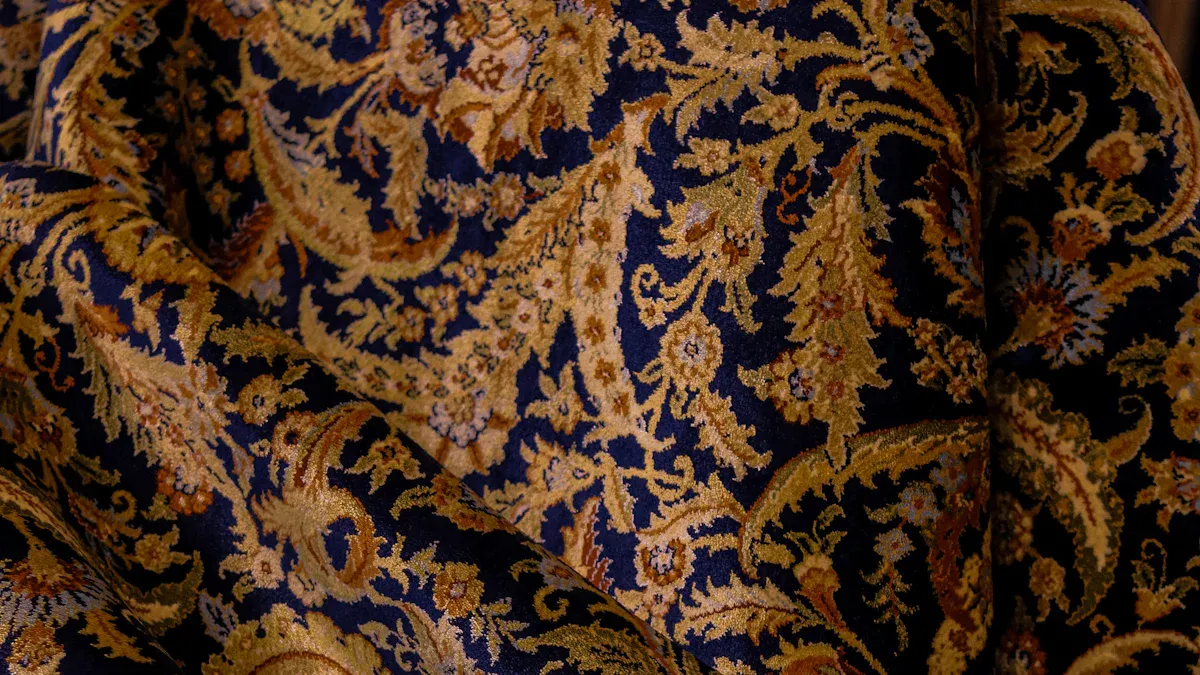
Brocade fabric offers luxurious apparel, elegant home decor, and sophisticated craft projects. Its rich texture and intricate patterns provide opulence. From formal wear to decorative accents, this fabric elevates any item it adorns. The global luxury fabric market reached USD 3.83 billion in 2023. It projects growth to USD 9.09 billion by 2030. This growth highlights the demand for premium textiles.
| Attribute | Value |
|---|---|
| Market size value in 2024 | USD 4.21 billion |
| Revenue forecast in 2030 | USD 9.09 billion |
| Growth Rate | CAGR of 11.6% from 2024 to 2030 |
| Base year for estimation | 2023 |
The United States brocade fabric market alone was valued at USD 0.4 billion in 2024. It expects to reach USD 0.8 billion by 2033. This indicates a strong market presence for brocade.
| Attribute | Value |
|---|---|
| Market size in 2024 | USD 0.4 billion |
| Projected market size by 2033 | USD 0.8 billion |
| Growth Rate (2026-2033) | CAGR of 8.8% |
Key Takeaways
- Brocade fabric is a fancy material. People use it for clothes, home decorations, and craft projects.
- This fabric has special raised patterns. Weavers make these patterns with different colored threads, sometimes even gold or silver.
- Brocade makes clothes like dresses and suits look very elegant. It also makes homes look luxurious with items like curtains and pillows.
- Working with brocade needs care. You should sew it carefully and clean it gently, often by dry cleaning, to keep it nice.
- Brocade has a long history. It shows wealth and power in many cultures around the world.
Versatile Uses for Brocade Fabric
Brocade Fabric in Apparel and Fashion
Brocade fabric finds extensive use in apparel and fashion, lending an air of sophistication to various garments. Designers often select it for traditional garments like dresses, skirts, and jackets. These pieces gain glamour and elegance from the fabric's rich texture. For formal wear, brocade transforms into stunning evening gowns with flowing designs and tailored suits that exude opulence. Beyond clothing, brocade also enhances fashion accessories. It creates glamorous clutches for formal events, practical and stylish bags for daily use, and shoes, both flats and heels, that elevate any look.
Brocade Fabric in Home Decor and Furnishings
In home decor, brocade brings luxury and intricate design to living spaces. Manufacturers use it for upholstery, covering furniture pieces like sofas and chairs. This application instantly elevates a room's aesthetic. Brocade also appears in curtains and drapes, providing privacy and adding a decorative element with its elaborate patterns. Decorative pillows crafted from brocade become focal points, offering both comfort and visual appeal. Furthermore, designers incorporate brocade into table linens and wall hangings, creating a cohesive and opulent interior design.
Brocade Fabric for Crafts and DIY Projects
Crafters and DIY enthusiasts appreciate brocade fabric for its decorative qualities. They utilize it to create small pouches for organization, chic purses for evenings, or sturdy tote bags for daily use, adding a touch of glamour. Brocade transforms reading and writing essentials into works of art; crafters make journal covers and bookmarks with intricate patterns and luxurious textures. The fabric also suits various festive items, including unique holiday ornaments, gift bags, and wreaths. Remnants of brocade can become gift tags and decorative accents for presents, showcasing its versatility in creative projects.
Understanding Brocade Fabric
Defining Brocade Fabric
Brocade is a richly decorative, shuttle-woven fabric. It often features colored silks and sometimes incorporates gold and silver threads. The name "brocade" comes from the Italian word 'broccato,' meaning 'embossed cloth.' This term itself derives from 'broccare' (to stud, set with nails) and ultimately from the Latin 'broccus' (projecting, pointed). Weavers typically create brocade on a draw loom. They employ a supplementary weft technique. An additional, non-structural weft creates the ornamental brocading, distinct from the standard weft that binds the warp threads. This technique aims to create the illusion that the weave has been embroidered onto the fabric. Ornamental features are added to the main fabric, sometimes stiffening it and often creating a low-relief effect on its surface. In some brocades, the supplementary weft or floating threads appear as loose groups or are clipped on the back of the material. A continuous brocade features the supplementary weft running from selvage to selvage, while a discontinuous brocade has the supplementary yarn woven only in patterned areas.
Weaving Technique of Brocade Fabric
Various techniques contribute to the intricate patterns of brocade. Tablet weaving combines warp and weft using tablets to create a shed. Historically, tablets were made from materials like wood, bone, ivory, or leather. This method creates brocaded bands. The batik technique involves drawing patterns on cloth with melted beeswax. The fabric is then dyed, and the beeswax prevents dye penetration, creating white patterns on a dark background. Embroidery stitches designs onto fabric, allowing for natural curves. Fabric folding involves sewing small pieces of colored cloth onto a background fabric. Ikat, also known as 'dyeing the yarn,' wraps sections of yarn with bark or nylon fibers before dyeing. The wrapped sections resist the dye, creating multicolored yarns for weaving. Weavers create patterns by inserting an additional weft yarn between the warp threads. This can span the entire fabric width or only specific decorative areas. Weavers typically work on the reverse side of the fabric using looms with spools or rods to separate the warp for inserting the extra weft.
Key Characteristics of Brocade Fabric
Brocade fabric stands out for its ornate and lavish appearance. It features a raised, embossed effect. The patterns and motifs are created by weaving together contrasting threads, resulting in a textured surface. Brocade weaving involves a combination of different colored warp and weft threads. This process creates a heavier and thicker fabric with a raised texture. Traditionally, brocade fabric uses silk, but it can also include cotton, rayon, or metallic threads. These fabrics are woven on a draw loom through an elaborate process that manually lifts warp threads to create intricate designs. Common patterns include intricate floral motifs, paisley patterns, or historical scenes. Metallic threads often enhance these designs for added luxury and shimmer. Brocade is generally more expensive due to its intricate patterns and raised designs, which are labor-intensive to weave.
Historical Significance of Brocade Fabric
Brocade boasts a long and distinguished history, deeply intertwined with luxury and power across various civilizations. Its origins trace back to ancient China during the Warring States period (475–221 BCE). Early artifacts from this era show its use and association with high status. Emperors and elites reserved this high-status textile for themselves. The fabric's journey along the Silk Road introduced it to other cultures.
The Byzantine Empire became a significant center for brocade production after acquiring sericulture knowledge from China in the 6th century. These Byzantine textiles often featured Persian influences. They symbolized wealth and power. People used them in imperial garments and ecclesiastical vestments. This period marked a crucial step in brocade's global spread.
During the European Renaissance, brocade weaving reached its peak in complexity and artistry. Italian weavers developed sophisticated techniques. Cities like Venice, Florence, and Genoa became leading producers of luxury textiles. Italy's nobility highly valued brocade, driving immense popularity for the fabric.
In India, brocade achieved new artistic heights during the Mughal era. Varanasi became a renowned center for the iconic Banarasi brocade. This fabric is known for its detailed zari work and intricate designs. Brocade garments were considered heirlooms. Families passed them down through generations. Globally, the fabric continues to evoke grandeur. It remains associated with ceremony and celebration.
Brocade Fabric in Apparel and Fashion
Formal Wear and Brocade Fabric
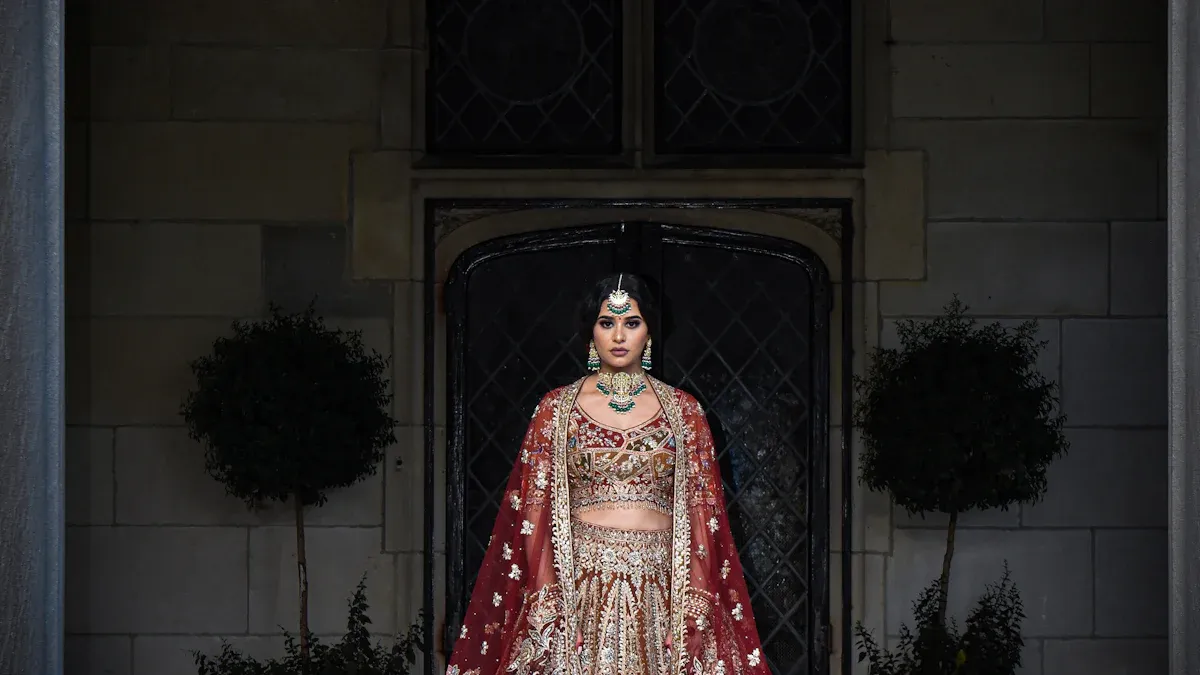
Brocade fabric elevates formal wear, lending an air of undeniable sophistication. Designers frequently select this luxurious textile for garments intended for significant events. For instance, Mother of the Bride and Groom Dresses often incorporate brocade. These dresses showcase elegant silhouettes such as A-line, fit-and-flare, sheath, or column gowns. The fabric's rich texture and intricate patterns make these outfits stand out, ensuring a distinguished appearance for the wearer. Brocade transforms evening gowns and tailored suits into opulent ensembles, perfect for galas, weddings, and other high-profile occasions.
Traditional Garments with Brocade Fabric
Many cultures around the world embrace brocade fabric for their traditional attire, recognizing its beauty and historical significance. This textile adds a regal touch to ceremonial garments and everyday wear alike.
- Cheongsams (qipaos): These classic Chinese dresses often feature brocade, highlighting their elegant lines and intricate designs.
- Jackets: Various traditional jackets across different cultures utilize brocade for a rich, decorative finish.
- Ceremonial garments: Priests and dignitaries frequently wear brocade in their ceremonial robes, symbolizing status and reverence.
- Lehengas: Indian bridal and festive wear, lehengas, gain immense grandeur from brocade, often adorned with metallic threads.
- Sarees: The traditional Indian saree frequently incorporates brocade, especially for special occasions, showcasing elaborate borders and pallus.
Fashion Accessories Featuring Brocade Fabric
Beyond clothing, brocade fabric also enhances a wide array of fashion accessories. Designers use it to create glamorous clutches, perfect for formal events, adding a touch of luxury to an outfit. Handbags, both practical and stylish, often feature brocade, transforming everyday items into statements of elegance. Footwear, including flats and heels, also benefits from brocade's rich texture and patterns, elevating simple shoes into sophisticated pieces. Scarves and headbands made from brocade offer a subtle yet impactful way to incorporate the fabric's opulence into daily fashion.
Theatrical Costumes Using Brocade Fabric
Theatrical productions frequently rely on brocade to create authentic and visually stunning costumes. Designers choose this rich textile for its ability to evoke specific historical periods and character types. For instance, the BBC production of Wolf Hall utilized brocade for costumes worn by historical figures like Henry VIII. The costume department specifically employed liturgical fabrics such as St. Hubert Brocetelle and Fairford brocade. They also used St. Margaret Brocade, featuring a crown motif, for his garments. These elaborate pieces often included black and gold trim, enhancing their regal appearance.
Brocade defines the aesthetic of many historical eras in costume design. During the Renaissance, costumes reflected classical aesthetics. They featured more fitted silhouettes and elaborate ornamentation, often incorporating brocade. The Elizabethan period favored stiff, structured silhouettes. Brocade, adorned with intricate embroidery, jewels, and pearls, was a popular choice. Jacobean costumes continued the Elizabethan aesthetic but shifted towards softer silhouettes; brocade remained a relevant fabric. Georgian men's costumes, influenced by the Rococo aesthetic, used brocade for fitted, tailored styles. These included frock coats, waistcoats, and breeches, often with intricate floral patterns.
Costume designers also use brocade for specific character portrayals. For general Renaissance ladies, brocade appeared in high-waisted looks and various sleeve styles. Designers often mixed it with solid colors, slashing, and appliqué, trimming it with novelty braids. Older men wore brocade in robes or capes. Other men's tunics featured significant sleeve detail, fur trimming, and jewelry. The Baroque period (17th-18th Century) saw extensive use of brocades alongside velvets, satin, moire, and damasks. This era combined these materials with lace, ribbon, feathers, knots, bows, and metal finials. Such elaborate costumes suited characters like Musketeers, courtiers, and pirates, adding grandeur and historical accuracy to their portrayals.
Brocade Fabric in Home Decor and Furnishings
Upholstery and Furniture with Brocade Fabric
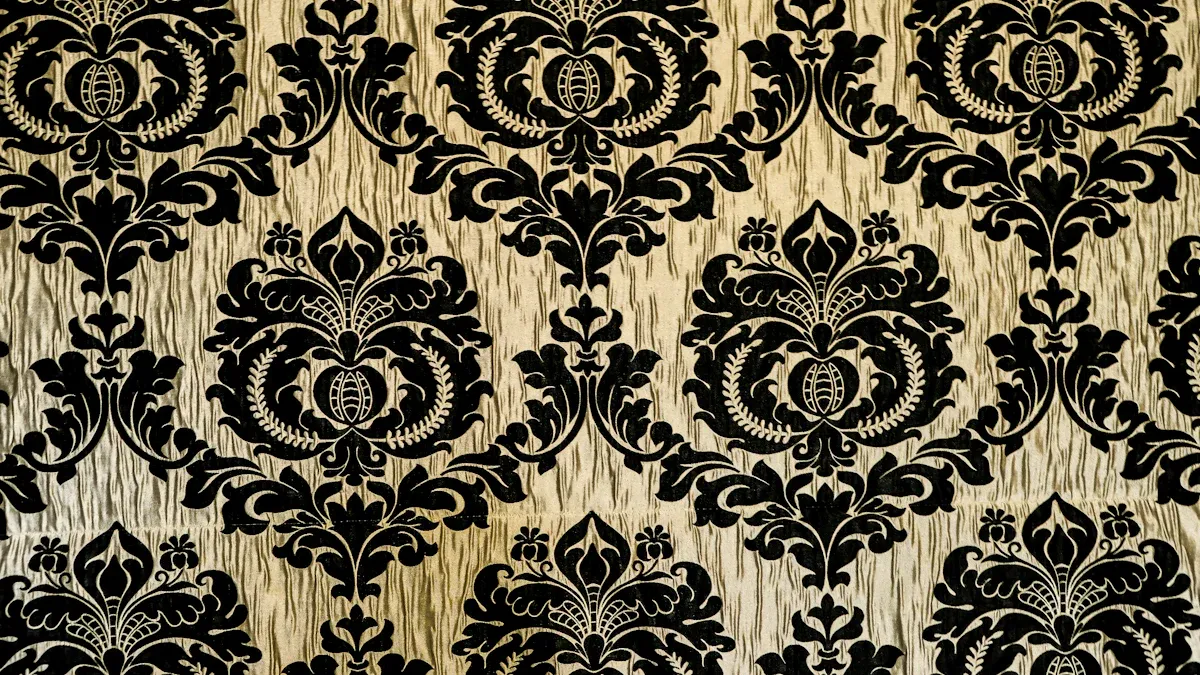
This luxurious textile transforms furniture, adding elegance and sophistication to any space. Manufacturers frequently use it for upholstery, covering pieces like antique chairs and sofas. This application instantly elevates a room's aesthetic. The rich texture and intricate patterns of the textile create a focal point, enhancing the overall design of a living area or study.
Curtains and Drapes Made from Brocade Fabric
Brocade also provides excellent insulation and offers good light-blocking capabilities. These properties make it suitable for use in bedrooms and media rooms, where light control and temperature regulation are important. As a heavyweight fabric, it requires sturdy, durable hardware. Installers need thick rods and reinforced brackets to support its weight and prevent bowing. The chosen hardware should also complement the bold, luxurious feel of the textile.
Decorative Pillows and Brocade Fabric
Decorative pillows crafted from this opulent textile become focal points, offering both comfort and visual appeal. Designers often create pillows in various styles using brocade. These include:
- Traditional Ottoman designs
- Regal and textured styles with a metallic undertone
- Bold designs
- Louis XV-Style French brocade, often double-sided with a self-piped edge and goose-down filling
These pillows add a touch of luxury and intricate design to any seating arrangement.
Table Linens and Brocade Fabric
Brocade elevates table settings, transforming ordinary meals into special occasions. This luxurious textile creates an atmosphere of sophistication and grandeur. People use it for various table linens, adding elegance to dining experiences.
- Luxury Brocade Tablecloths drape over tables, providing a rich foundation for dinnerware.
- Luxury Brocade Table Napkins complement the tablecloths, offering a soft, decorative touch.
- Luxury Brocade Table Runners add a central decorative element, often highlighting a centerpiece.
Brocade satin table linen combines the sheen of satin with brocade's intricate patterns. This blend offers a unique texture and visual appeal. These items are perfect for formal dinners, holiday celebrations, or any event requiring an opulent touch. They instantly upgrade a dining room's aesthetic.
Wall Hangings of Brocade Fabric
Brocade also finds its place on walls, serving as exquisite decorative hangings. These pieces act as focal points in a room, drawing the eye with their intricate designs and rich textures. A brocade wall hanging can introduce a sense of history and artistry to a space. It often features elaborate patterns, sometimes with metallic threads that catch the light. This creates a dynamic visual effect. Designers use these hangings to add warmth, color, and a touch of luxury to living rooms, bedrooms, or hallways. They can complement traditional decor or provide an interesting contrast in more contemporary settings.
Working With and Caring for Brocade Fabric
Sewing Tips for Brocade Fabric
Working with brocade requires careful attention to detail. Sewers should use more seam allowance than usual, perhaps 2.5 cm instead of 1.5 cm, because the fabric can shred and stiffen. Instead of washing silk brocades, steam them with an iron. This relaxes weaving tension without altering the appearance. Adjust pattern pieces to accommodate the fabric's pattern direction and right/wrong side. This ensures patterns align correctly, even if they run in different directions on different garment sections. Immediately zigzag or overlock edges after cutting to prevent fraying. This applies even to hand-sewn garments.
For hand sewing, use silk thread with running stitches or backstitching. Pin only in seam allowances or use small clamps. Baste pieces together before final stitching. When machine sewing, use silk thread and slightly longer stitches. Adjust thread tension as needed, testing on scraps. Press all seams during construction with steam and a cloth for tidiness. Finish seams with zigzag/overlock if not felling, or press and fold tightly for felled seams. Press and double-fold hems before whip stitching. A fine, sharp needle, such as a universal or microtex, prevents fabric damage and snagging. A size 80/12 or 90/14 sharp or universal needle is often a good choice. Opt for high-quality silk or polyester thread that matches the fabric color to avoid breakage.
Handling and Storage of Brocade Fabric
Proper handling and storage preserve brocade's beauty. Avoid placing the material on rough surfaces to prevent snagging. Protect it from moisture and humidity, which can weaken threads and cause color fading. Do not overstuff items to maintain their shape and prevent stretching. Regularly clean the fabric to prevent dust, dirt, and oils from dulling its vibrancy. Gently blot light stains with a soft, damp cloth and mild soap, always testing first. Use fabric-safe sprays for freshening and odor control. Opt for professional cleaning for serious stains to avoid damaging the intricate weave.
After each use, gently wipe down the fabric with a soft cloth. Be mindful of where the item rests, avoiding floors or crowded benches. Rotate items to prevent overuse on specific stress points. Keep hardware polished and handle with care to avoid snagging. Store the material in a breathable dust bag or pillowcase to protect it from dust and stains without trapping moisture. Stuff items with tissue paper or soft filler to maintain their shape and prevent creases. Store brocade flat on a shelf or hang it on a padded hanger to prevent stretching or crushing. Keep it away from direct sunlight to prevent color fading and fiber weakening; a dark, cool closet is ideal. Use acid-free tissue paper between garments during storage to preserve patterns, prevent color transfer, and absorb moisture.
Cleaning and Maintenance of Brocade Fabric
Always check the care label on the item. Avoid washing the material if possible, as it can damage delicate fibers. Prioritize spot cleaning to address specific stains. If washing is unavoidable, consider professional dry cleaning as a last resort for optimal preservation and longevity. For stain removal on items like handbags, blot the stain with a dry cloth. Test a mild, silk-specific detergent mixed with lukewarm water on a hidden spot. Apply lightly with a cotton swab, rinse carefully with a damp cloth, and air dry flat.
Avoid using household cleaning agents or excessive heat, such as dryers or direct sunlight. These can cause water marks, stains, fading, or weaken threads. Hand wash the material in cold water with a mild detergent if dry cleaning is not an option or for less intricate designs. Avoid wringing or twisting. Lay the fabric flat to air dry naturally without squeezing to maintain its original shape and prevent damage. In humid climates, use silica gel packs and store in a cool, dry place with airflow to combat moisture. In dry climates, lightly mist with water or use a fabric brush to prevent static and dust buildup.
Brocade fabric stands as a timeless textile, celebrated for its remarkable versatility and inherent elegance. Its diverse applications span high fashion, where it creates stunning garments, to intricate home furnishings that elevate interior spaces, and even creative crafts. Understanding the unique characteristics of brocade fabric and implementing proper care practices ensures its enduring beauty and longevity. This luxurious material continues to enrich various aspects of design and decor.
FAQ
Is brocade fabric expensive?
Brocade fabric is generally more expensive. Its intricate patterns and labor-intensive weaving process contribute to the higher cost. The use of luxurious materials like silk or metallic threads also increases its value.
Can you wash brocade fabric?
Manufacturers generally advise against washing brocade fabric. Washing can damage delicate fibers and alter the fabric's structure. Professional dry cleaning is often the recommended method for cleaning brocade items.
What is the difference between brocade and damask?
Brocade features raised, embroidered-like patterns on the fabric surface. Damask, however, has patterns woven into the fabric itself, creating a reversible design. Brocade patterns appear more distinct and often have a textured feel.
What fibers are in brocade?
Traditionally, brocade uses silk fibers. Modern brocades also incorporate cotton, rayon, or synthetic blends. Metallic threads, such as gold or silver, often enhance the intricate designs, adding shimmer and luxury.