



What is poly-elastane fabric?
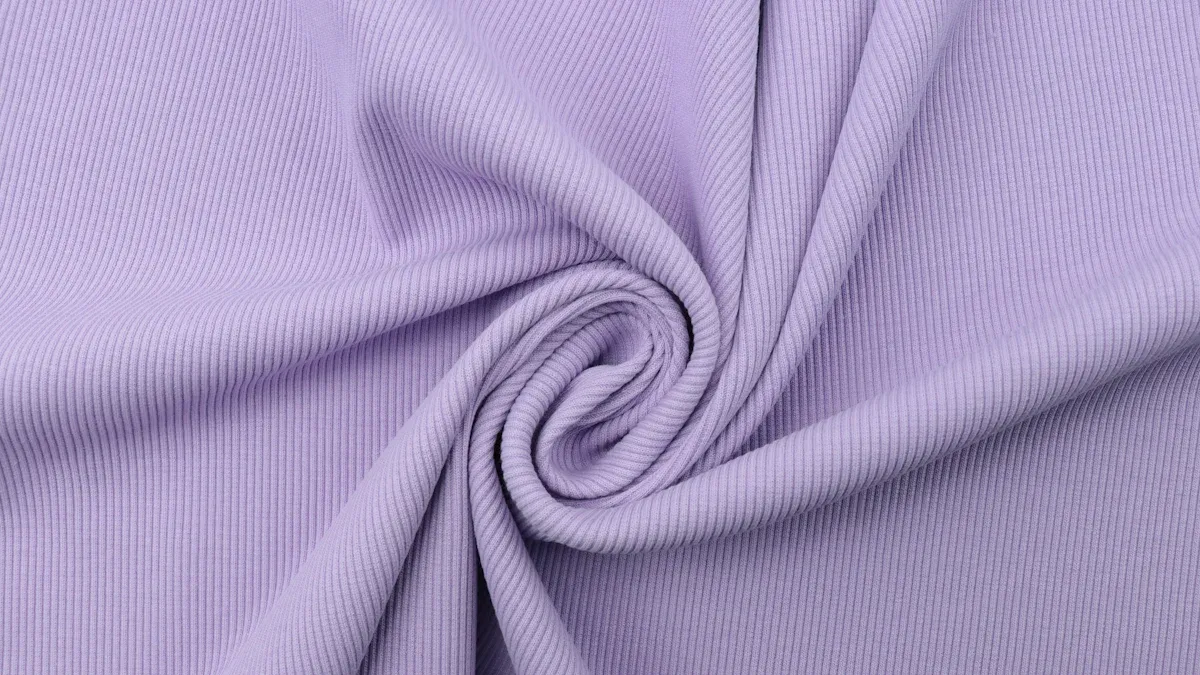
Poly-elastane fabric represents a high-performance textile blend. It combines polyester fibers with elastane, also known as spandex or Lycra. This innovative combination creates a material renowned for its exceptional stretch and robust durability. The fabric maintains its shape well, even after repeated use. A reliable poly elastane fabric manufacturer ensures consistent quality in this versatile material, making it a popular choice across various industries.
Key Takeaways
- Poly-elastane fabric mixes polyester and elastane. This blend makes it stretchy and strong.
- Polyester gives the fabric strength and stops wrinkles. Elastane makes it stretch and return to its shape.
- This fabric is good for activewear and everyday clothes. It keeps you dry and feels comfortable.
- Wash poly-elastane clothes in cold water. Air dry them to keep them stretchy.
- Choose a good maker for poly-elastane fabric. They ensure quality and offer custom options.
Understanding Poly-Elastane Fabric Composition
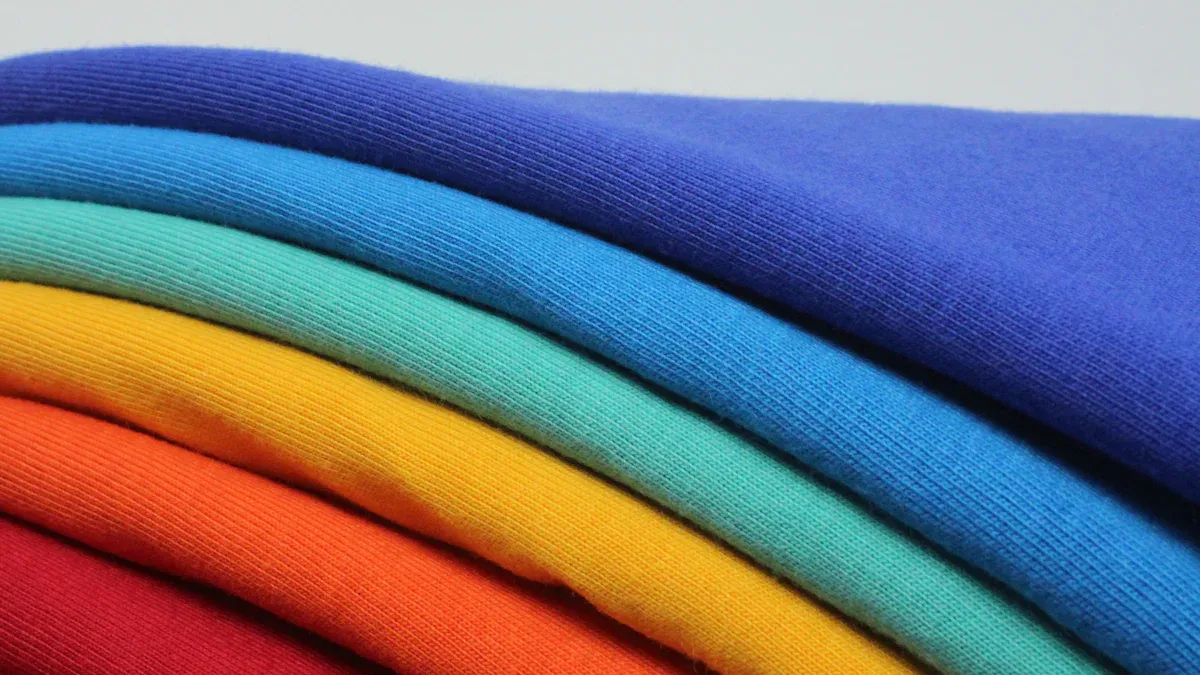
Poly-elastane fabric derives its unique properties from the careful combination of two distinct fiber types: polyester and elastane. Each component plays a crucial role in the final textile's performance and feel.
The Role of Polyester in the Blend
Polyester forms the backbone of poly-elastane fabric. It provides strength, durability, and wrinkle resistance. Polyester is a category of polymers. These polymers feature one or two ester linkages in every repeat unit of their main chain. Specifically, the material most commonly refers to polyethylene terephthalate (PET).
Polyester fibers are primarily composed of polymers. These polymers contain a functional group of ester (COO). They contain at least 85 wt.% of ester groups. A condensation reaction between a dicarboxylic acid and a diol forms them. Poly(ethylene terephthalate) (PET) is one of the most predominantly used polyesters for fiber production.
The manufacturing process for polyester fibers involves several key steps:
- Polymerization: Dimethyl terephthalate reacts with ethylene glycol using a catalyst. This forms a commoner. The temperature then increases to create long ribbons of polyester.
- Drying: The molten polyester ribbons cool until brittle. Workers then cut them into tiny chips to remove irregularities.
- Melt Spinning: A solution forms in a spinneret. It forces through tiny holes to create different shapes, typically metal. This process creates yarn-sized products. A chemical adds to improve quality and dyeability.
- Drawing: Dry filaments draw into a parallel form. This strengthens the fiber without making it brittle. These drawn fibers can vary in length and texture.
- Winding: Workers draw the bobbins and package them. Manufacturers then weave them into final products.
Polyester fibers are prepared for blending by being made into 'staple' form. This means they are cut to predetermined lengths. This allows them to blend well with other fiber types.
The Contribution of Elastane (Spandex/Lycra)
Elastane, also known as spandex or Lycra, provides the exceptional stretch and recovery properties of the fabric. Elastane fabric is made from polyurethane. This synthetic polymer gives it exceptional stretchability. Some formulations of spandex have historically used a composition of 85% polyurethane and 15% natural latex.
Elastane is a segmented polyurethane block copolymer. It is engineered with alternating soft and hard domains. The soft segments, typically polyether or polyester, provide flexibility. The hard segments, formed from diisocyanate and a chain-extender, act as microscopic anchors. They restore structure after deformation. This dual-segment system is crucial for its elasticity and shape retention. It typically contains roughly 70–80% soft segments and 20–30% hard segments.
| Segment Type | Typical Chemistry | Primary Function | Analogy |
|---|---|---|---|
| Soft Segment | Polyether glycol or polyester glycol (MW ~ 1000–3000 g/mol) | Provides extensibility and low glass-transition temperature (Tg ≈ −60 °C) | Rubber band |
| Hard Segment | Diisocyanate + chain extender (diamines/diols) | Forms hydrogen-bonded crystalline domains that restore shape | Memory lock |
The percentage of elastane in a poly-elastane blend varies significantly based on the intended application. For dancewear, a blend of 20% Elastane with 80% Polyester is common. This choice is effective for quick drying, making it ideal for high-intensity activities. This percentage is often higher than what other dancewear companies typically use. It contributes to a soft and silky feel.
For most leggings, a small percentage of elastane is typically used. This often ranges from 2% to 7%. Higher percentages are reserved for items requiring significant stretch and shape retention.
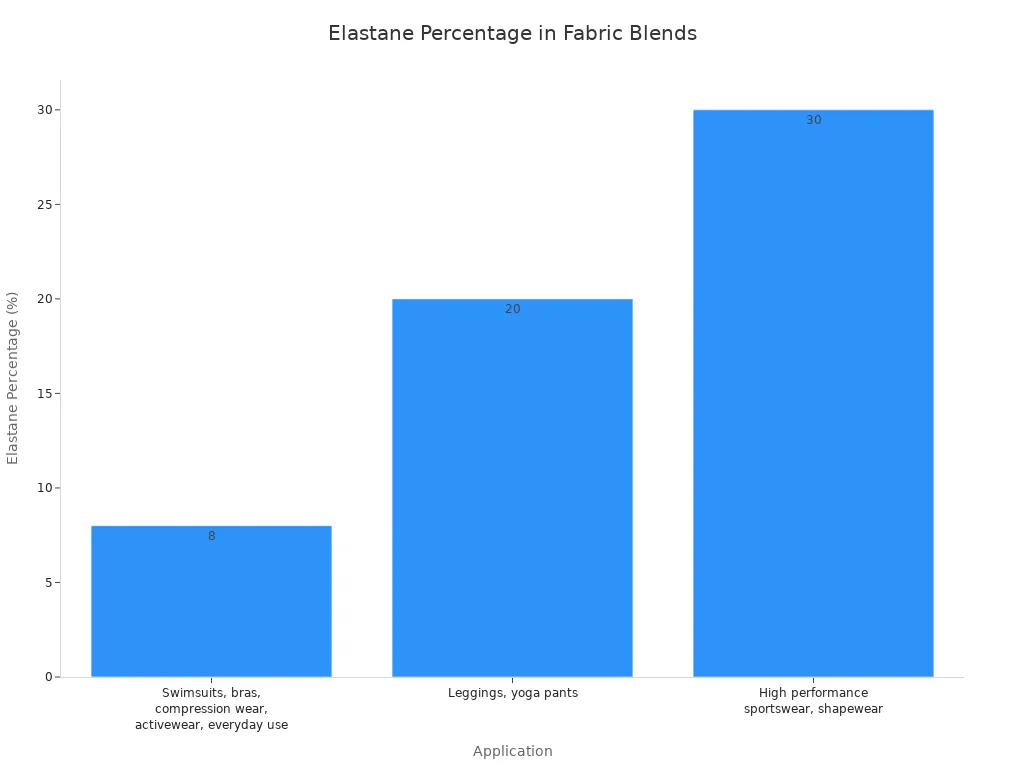
Swimsuits, bras, compression wear, activewear, and everyday items often incorporate around 8% elastane. Leggings and yoga pants typically feature about 20% elastane. High-performance sportswear and shapewear can contain up to 30% elastane. This higher concentration provides maximum stretch and support.
Key Characteristics of Poly-Elastane Fabric
Poly-elastane fabric offers a range of desirable characteristics. These features make it a preferred material across many applications. The blend of polyester and elastane creates a textile with superior performance attributes.
Exceptional Stretch and Recovery
Poly-elastane fabric excels in its ability to stretch and then return to its original shape. This property is crucial for garments requiring freedom of movement and consistent fit. The elastane component provides significant elasticity, allowing the fabric to expand considerably. Polyester provides the structural integrity. This combination ensures the fabric snaps back effectively after stretching.
Different poly-elastane blends exhibit varying degrees of stretch and recovery. Manufacturers engineer these blends for specific performance needs. The table below illustrates typical stretch percentages and recovery rates for common poly-elastane fabrics:
| Fabric Blend | Stretch Percentage (Two-way knit) | Stretch Percentage (Four-way knit) | Recovery Rate |
|---|---|---|---|
| 95% Polyester 5% Spandex (basic two-way knit) | 30-50% | N/A | Good (snaps back) |
| 92-95% Polyester 5-8% Spandex (engineered four-way jersey) | N/A | 50-80% or more | Good (snaps back) |
| 90-92% Polyester 8-10% Elastane (leggings/yoga pants) | N/A | 50-90% | Good (snaps back) |
| Common 95% Poly and Spandex Jerseys | 30-80% | N/A | Good (real snapback) |
| Polyester and Spandex Jersey with 5% Elastane | 30-50% | 50-80% | Good |
| Blends with 8-10% Elastane | N/A | 50-90% | Good |
The elastane content directly influences these elastic properties. As the percentage of elastane increases, the fabric's stretch percentage also rises. This allows for greater flexibility. Conversely, the fabric's growth percentage decreases with more elastane. This means the fabric resists permanent deformation. Furthermore, a higher elastane content enhances the fabric's elastic recovery percentage. This ensures the material consistently returns to its initial form. Elastane makes the fabric structure more compact and stable. This contributes to these beneficial changes. Studies by Özdil and Mourad et al. confirm these findings. They show that increasing elastane content significantly influences the physical and elastic properties of woven fabrics. Maximum stretch and fabric elastic recovery increase with higher elastane content. Fabric growth decreases with increased elastane content. Graphical trends also indicate a direct relationship between spandex (elastane) percentage and maximum stretch and fabric elastic recovery. An inverse relationship exists between spandex percentage and fabric growth.
Durability and Wrinkle Resistance
Poly-elastane fabric offers excellent durability. The polyester fibers contribute significantly to this characteristic. Polyester is inherently strong and resistant to abrasion, stretching, and shrinking. This makes the fabric long-lasting and capable of withstanding frequent wear and washing. The blend also provides superior wrinkle resistance. Garments made from poly-elastane maintain a smooth appearance. They require minimal ironing, which adds to their convenience. This combination of strength and wrinkle resistance makes poly-elastane an ideal choice for everyday wear and active apparel.
Moisture-Wicking and Breathability
Poly-elastane fabric effectively manages moisture. This feature is particularly important for activewear and performance garments. The fabric draws sweat away from the skin. It then allows the moisture to evaporate quickly. This process keeps the wearer dry and comfortable.
The mechanism involves several steps:
- Absorption: Moisture-wicking fabrics, often made from hydrophobic synthetic fibers like polyester, quickly capture sweat from the skin's surface. They do this without absorbing it into the fabric itself.
- Transportation: Through capillary action, the fabric's specially structured fibers create tiny channels. These channels move the captured moisture away from the skin. They spread it across a larger surface area.
- Evaporation: The final step involves the rapid evaporation of this spread-out moisture from the fabric's outer surface into the air. This helps regulate body temperature and keeps the wearer dry and comfortable.
Elastane possesses inherent moisture-wicking capabilities. It effectively draws moisture away from the skin. This maintains comfort during physical activity. However, its moisture-wicking efficiency significantly enhances when blended with other synthetic fibers like polyester. This leads to more efficient sweat evaporation and improved moisture management. The surface structure of moisture-wicking fabrics, featuring specially designed fibers that form channels, actively pulls sweat away from the skin. This minimizes skin contact with moisture. Once moisture reaches the fabric's outer layer, it is exposed to air and rapidly evaporates. This contributes to the wearer's dryness and comfort, especially during intense physical activity.
Comfort and Shape Retention
Poly-elastane fabric offers exceptional comfort and maintains its shape, making it a preferred choice for many garments. Lycra significantly enhances the stretchability of polyester, allowing garments to move with the body and fit snugly. This characteristic is ideal for activewear and form-fitting clothing. The stretchability of Lycra ensures the fabric conforms to the body's shape, providing a comfortable fit and ease of movement. This makes it perfect for activewear and sports garments. Due to Lycra's elasticity, polyester Lycra fabric maintains its shape over time, preventing garments from losing their fit after repeated use.
Elastane fabric can stretch up to seven times its original length and quickly return to its initial shape. This allows garments to contour to the body for a comfy and stylish fit. Spandex clothes retain their shape over time, resisting wrinkling, piling, and sagging. This enhances their longevity. Elastane's elasticity further enhances comfort and facilitates movement, making it ideal for form-fitting clothes and sportswear where flexibility is essential.
Beyond elasticity, polyester stretch fabrics are lightweight and soft, ensuring everyday wearability, especially in activewear. Knitted polyester fabrics offer enhanced flexibility and comfort, making them ideal for activewear. Polyester stretch fabric provides outstanding elasticity and recovery, allowing clothing to retain its shape after stress. This is highly beneficial for apparel requiring freedom of movement. The combined properties of polyester and elastane create a fabric that feels good against the skin, moves with the wearer, and consistently holds its intended form.
Common Applications of Poly-Elastane Fabric
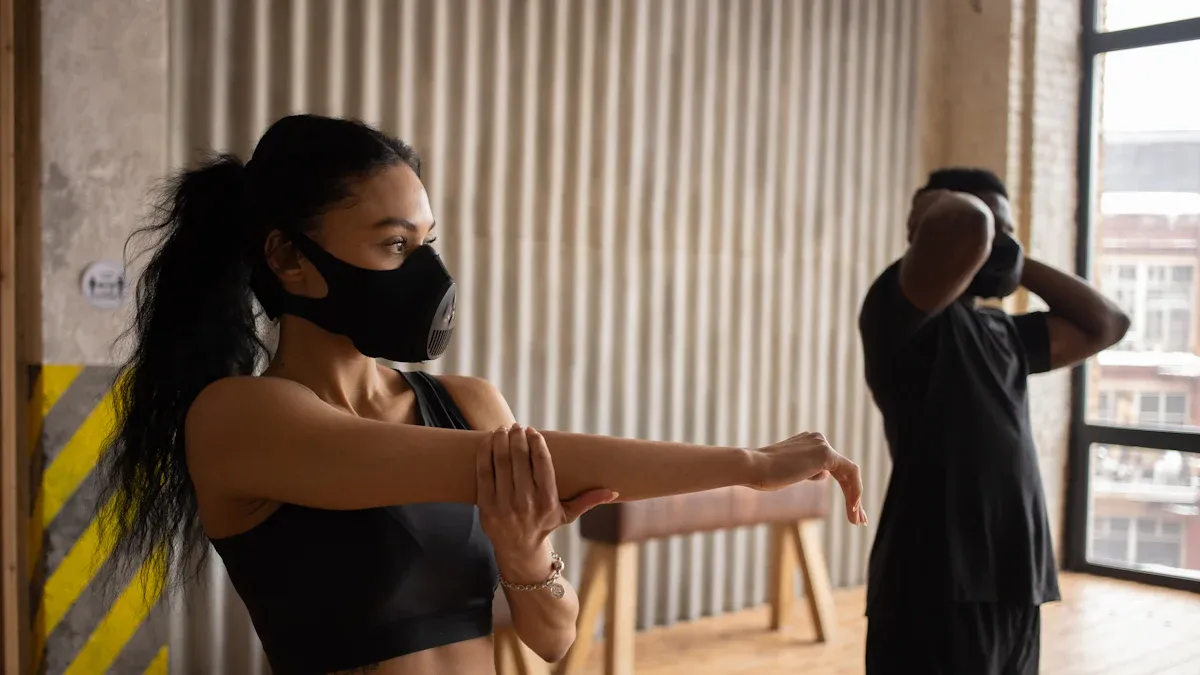
Poly-elastane fabric finds widespread use across numerous industries. Its unique blend of stretch, durability, and comfort makes it highly versatile. Manufacturers utilize this fabric in various products, from athletic gear to everyday fashion and specialized items.
Activewear and Performance Apparel
Poly-elastane is a cornerstone of activewear and performance apparel. It provides the flexibility and support athletes need. This fabric is essential for items such as:
- Leggings
- Sports bras
- Tank tops
- Yoga pants
- Compression garments
- Swimwear
The fabric's moisture-wicking properties keep wearers dry. Its exceptional stretch allows for unrestricted movement during physical activity. This makes it ideal for high-intensity sports and workouts.
Everyday Clothing and Fashion
Poly-elastane significantly enhances everyday clothing and fashion items. It improves both comfort and fit. For example, elastane adds stretch to jeans, improving their fit and comfort. It helps fitted shirts maintain their shape without restricting movement. For dresses, poly-elastane provides a slight stretch, offering freedom of movement while maintaining a neat appearance. Polyester strengthens the fabric, helps it hold its shape after washing, and resists wrinkles and stains. This makes daily outfits last longer and look better. Fashion trends also incorporate poly-elastane for its aesthetic and functional properties. This includes sportswear, swimwear, lingerie, and even casual or high-fashion pieces. Reflective spandex fabrics are also popular for high visibility and modern styles in clothing, hats, bags, and shoes.
Specialized Uses and Accessories
Beyond traditional apparel, poly-elastane serves many specialized purposes. In medical and healthcare fields, it appears in compression garments, bandages, and braces. These items provide steady pressure, support, and comfort. The automotive industry integrates poly-elastane into car interiors for seat covers and headliners, ensuring a good fit and durability. Furniture and upholstery benefit from its stretch in sofa covers and cushions, preventing sagging and simplifying cleaning. Industrial textiles also use poly-elastane in conveyor belts and hoses. Its stretch helps these items withstand stress and allows for expansion and contraction under pressure. Other niche uses include swim caps, diving suits, and costumes, valued for their lightweight nature, water resistance, and outdoor durability.
Caring for Your Poly-Elastane Fabric Items
Proper care extends the life and maintains the performance of poly-elastane garments. Following specific washing, drying, ironing, and storage guidelines helps preserve the fabric's unique properties.
Washing and Drying Guidelines
Wash poly-elastane fabrics carefully to protect their elasticity and shape. Use cold water for these items. This includes fabrics containing Nylon or Lycra. A hand wash method is ideal, or use a low-spin cycle on your washing machine, such as the Delicates setting. Choose a mild laundry detergent effective in cold water. ARM & HAMMER™ Clean Burst Liquid Laundry Detergent is a recommended option. Avoid harsh chemicals or bleach, as these can damage the elastane fibers. After washing, air dry poly-elastane items whenever possible. Lay them flat or hang them on a padded hanger to prevent stretching. High heat from a dryer can degrade elastane, causing it to lose its stretch and recovery properties. If machine drying is necessary, use the lowest heat setting or a tumble dry low cycle. Remove garments promptly to avoid wrinkles.
Ironing and Storage Tips
Iron poly-elastane items with caution due to their heat sensitivity. Always check the manufacturer's specific ironing instructions on the fabric label first. When ironing blended fabrics, set the iron to the temperature suitable for the lower-temperature fiber or the fiber with the highest percentage. Synthetics can melt at high temperatures. For polyester, use low to medium heat (setting 2) and iron on the reverse side to avoid direct heat. For spandex (elastane), use a low heat setting (110°C or 230°F) and avoid steam. Do not apply direct heat. Always follow care instructions for the most delicate fiber in the blend. Use a pressing cloth over the fabric to prevent scorching or shine marks. Test the heat setting on an inconspicuous area before ironing the main garment. Iron with gentle, even strokes, keeping the iron moving quickly.
Store poly-elastane garments properly to maintain their shape and elasticity. Fold these items neatly and lay them flat. This is especially important for compression shorts, sports bras, and fitted jerseys. Avoid hanging them, as the garment's weight can distort seams and shoulders over time. If hanging is necessary, use wide, padded hangers. Never hang damp items. Prevent damage to stretch fabrics by avoiding compression. Do not pile heavy items on top of folded garments. This can crush elastic fibers and lead to sagging. Store poly-elastane garments in a cool, dry place, ideally between 60–75°F (15–24°C). Keep them away from direct sunlight, as UV rays can break down fibers and cause fading. Ensure garments are completely clean and dry before storage.
Choosing a Reliable Poly Elastane Fabric Manufacturer
Selecting the right poly elastane fabric manufacturer is crucial for product quality and business success. A reputable manufacturer demonstrates expertise in both production and supply chain management. They ensure the fabric meets specific performance and aesthetic requirements.
Quality Standards and Production Capabilities
A reliable poly elastane fabric manufacturer prioritizes stringent quality standards and possesses advanced production capabilities. They often hold certifications that guarantee product safety and environmental responsibility. For instance, the Oeko-Tex Standard 100 ensures fabrics are free from harmful chemicals. This certification tests for substances like azo dyes, heavy metals, and formaldehyde, ensuring a skin-friendly pH. If the poly-elastane incorporates recycled content, certifications such as the Global Organic Textile Standard (GOTS), Recycled Claim Standard (RCS), and Global Recycled Standard (GRS) become highly relevant. These standards verify recycled content and address social and environmental practices in production. A strong poly elastane fabric manufacturer also maintains a comprehensive production infrastructure. This includes advanced machinery and independent workshops. This setup allows them to maintain high-volume production while ensuring consistent quality across all product lines.
Customization and Supply Chain
A leading poly elastane fabric manufacturer offers extensive customization options. They can adjust blend ratios, for example, varying the percentage of elastane to achieve specific stretch and recovery. Manufacturers also provide comprehensive color matching services. They match any color standard or brand palette. Digital and screen printing services allow for intricate patterns and vibrant designs. The fabric's weight can be adjusted for different applications, from lightweight summer wear to structured garments. Various finishes are available, such as mercerization for luster or wrinkle resistance for easy care. They also customize width and length to optimize production efficiency.
Furthermore, a reliable poly elastane fabric manufacturer manages a robust supply chain. They employ a diversified supplier strategy. This reduces reliance on a single source. They also conduct strict supplier evaluations and audits. This assesses production capacity, quality management, and environmental standards. Strengthening raw material quality control is crucial. They perform rigorous inspections and performance testing before production. This ensures quality traceability. Finally, a responsive poly elastane fabric manufacturer remains flexible. They adjust to market demand changes. This allows for quicker responses to market shifts and shorter product launch cycles.
Poly-elastane fabric offers exceptional stretch, durability, and comfort. Its versatility makes it a popular choice across many industries. However, its production relies heavily on petroleum and consumes significant energy, contributing to carbon emissions. The industry actively explores solutions. These include chemical recycling methods and bio-based elastane alternatives like Lycra T400 EcoMade. These innovations aim to reduce environmental impact.
FAQ
What makes poly-elastane fabric stretch?
Elastane, also known as spandex or Lycra, provides the fabric's exceptional stretch. It allows the material to expand significantly. Polyester contributes to the fabric's structural integrity. This combination ensures the fabric returns to its original shape after stretching.
Is poly-elastane fabric durable?
Yes, poly-elastane fabric is very durable. Polyester fibers provide strength and resistance to abrasion. This makes the fabric long-lasting. It withstands frequent wear and washing. The blend also resists shrinking and stretching.
Does poly-elastane fabric wrinkle easily?
No, poly-elastane fabric offers excellent wrinkle resistance. The polyester component helps garments maintain a smooth appearance. This reduces the need for ironing. It adds to the fabric's convenience for everyday wear.
Can poly-elastane fabric keep me dry during exercise?
Yes, poly-elastane fabric effectively manages moisture. It draws sweat away from the skin. The fabric then allows the moisture to evaporate quickly. This process keeps the wearer dry and comfortable during physical activity.
How should I care for poly-elastane clothing?
Wash poly-elastane items in cold water. Use a mild detergent. Air dry them whenever possible. Avoid high heat when drying. This preserves the fabric's elasticity and shape.