



What's the Best Fabric for Women's Swimwear Today?
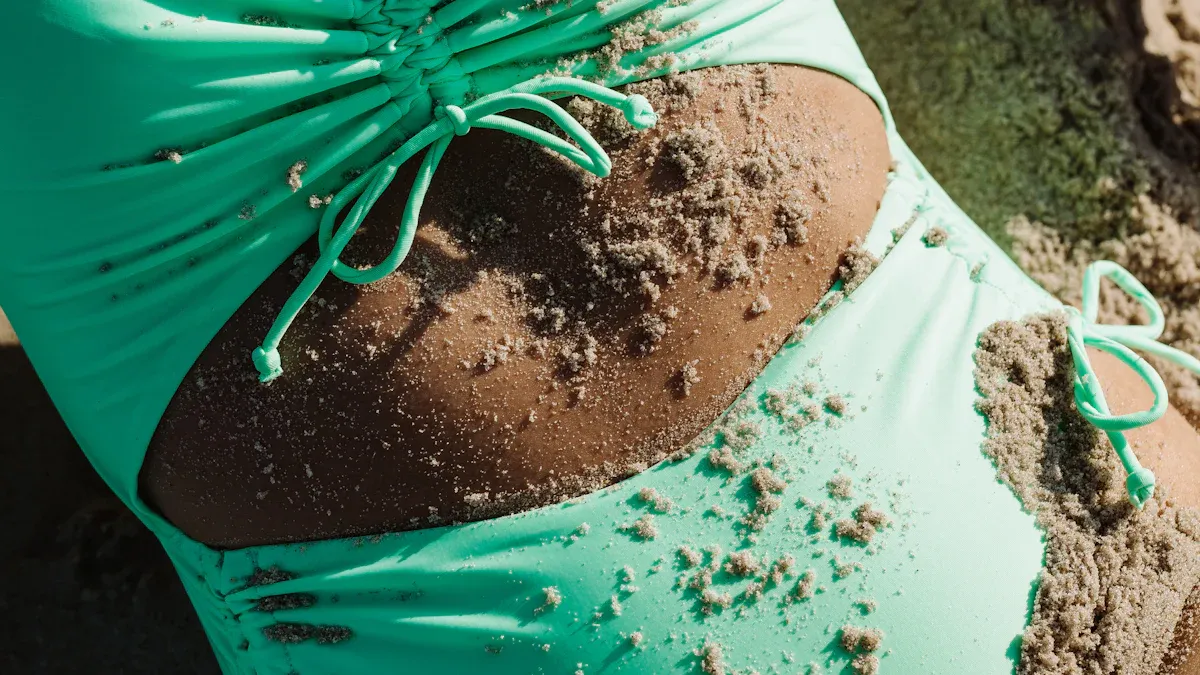
The ideal Women's swimwear fabric is not one universal material. Instead, it depends on individual needs and priorities. Optimal fabric choices vary significantly. Factors like specific activities, desired performance characteristics, and personal comfort levels all influence the selection process.
Key Takeaways
- Different swimwear fabrics work best for different activities. Polyester is good for chlorine resistance. Nylon blends are soft and stretchy.
- Swimwear fabrics have important features. These include resistance to chlorine, UV protection, and quick drying. These features make swimsuits last longer.
- Fabric blends combine different materials. This makes swimsuits perform better. Blends offer good stretch, comfort, and durability.
Understanding Key Women's Swimwear Fabric Types
Choosing the right Women's swimwear fabric significantly impacts comfort, durability, and performance. Different materials offer unique advantages, catering to various needs from casual beach days to intense training sessions. Understanding these fabric types helps consumers make informed decisions.
Polyester Blends for Women's Swimwear
Polyester stands as a cornerstone in modern swimwear manufacturing. Manufacturers often choose polyester blends to enhance specific characteristics. These blends typically combine polyester with other synthetic fibers. This achieves a balance of durability, stretch, and comfort. The optimal polyester blend for swimwear depends on its intended use. For instance, a higher polyester content is recommended for everyday swimsuits requiring frequent washing and chlorine exposure. Blends with spandex or elastane are better suited when increased stretch and comfort are desired.
| Blend Composition | Key Features | Best For |
|---|---|---|
| Polyester-Spandex (80/20) | Excellent shape retention with added stretch | Competitive swimwear, athletic styles |
| Polyester-PBT (70/30) | Superior chlorine resistance, soft hand feel | Frequent swimmers, pool use |
| Polyester-Nylon (85/15) | Enhanced drape and silkier texture | Fashion swimwear, designer pieces |
Despite its many benefits, polyester blends do have some drawbacks. They often lack breathability. The fabric also does not absorb moisture, which can sometimes feel less comfortable in hot, humid conditions.
Nylon Blends for Women's Swimwear
Nylon blends offer another popular choice for swimwear, known for their distinct properties.
| Characteristic | Nylon Blends |
|---|---|
| Feel | Very soft |
| Stretch | Very Good |
| Durability | Good |
| Dry | Quick |
| Repels Water | Yes |
| Sustainability | Regenerated nylon (ECONYL®) available from pre and post-consumer products |
Nylon offers several advantages. It feels very soft against the skin. Nylon absorbs more moisture than polyester but still feels comfortable, making it suitable for sensitive skin. Nylon provides good structure retention with proper treatment. It resists surface wear and snagging if tightly woven. Nylon is naturally water-repellent. It also has good resistance to pool chemicals and saltwater. When blended with spandex (15-25%), nylon provides optimal stretch and recovery. It moves with the body without losing shape. Nylon-spandex blends are recommended for recreational swimming and beach use due to their abrasion resistance. These blends can achieve various textures like ribbed, smooth, and textured/patterned. This offers aesthetic and functional benefits like slimming effects or camouflage. Recycled nylon, such as ECONYL®, offers a sustainable option with similar performance characteristics to virgin nylon.
However, nylon blends also present some disadvantages.
- Nylon should not be printed on due to pixelated results and ink bleeding.
- Nylon is not recommended for sublimation printing because colors fade quickly, and vector artwork definition is poor.
- Nylon blends tend to bleed and fade more easily than other fabrics.
- Nylon ages more quickly than polyester and pills considerably faster.
- Nylon blends are prone to fading and chlorine damage over time.
Lycra/Spandex/Elastane in Women's Swimwear
Lycra, Spandex, and Elastane are all names for the same synthetic fiber. Manufacturers primarily use it for its exceptional elasticity. This fiber is rarely used alone in swimwear. Instead, it is blended with other fabrics like polyester or nylon. This blend provides the necessary stretch and shape retention. Lycra allows swimwear to hug the body comfortably. It also ensures the garment returns to its original form after stretching. This prevents sagging and maintains the suit's fit over time. The percentage of Lycra in a blend typically ranges from 10% to 30%. A higher percentage offers more stretch and compression.
PBT (Polybutylene Terephthalate) for Women's Swimwear
PBT (Polybutylene Terephthalate) is a high-performance fabric. It has gained popularity, especially for competitive and frequent swimmers. PBT offers a unique set of characteristics.
- Durability: PBT is exceptionally durable. It maintains its shape, elasticity, and dimensional stability even after repeated wear and washing. It resists tearing, stretching, and abrasion, ensuring a long lifespan.
- Chemical Resistance: It exhibits excellent resistance to chemicals, including acids, alkalis, and notably, chlorine. This allows PBT swimwear to withstand exposure to chlorinated pool water without damage or fading.
- Quick-Drying Properties: PBT fabric has good moisture resistance and low water absorption (around 0.4%). This contributes to its quick-drying capabilities, which helps keep the wearer dry and comfortable.
- Color Retention: The fabric has excellent dye-ability. It produces bright colors with high color fastness and resistance to fading from chlorine.
- Stretch and Elasticity: PBT offers great stretch and elasticity, comparable to spandex. It maintains its elasticity, implying good stretch properties for a comfortable fit.
PBT is described as durable and cost-effective. It is resistant to both chlorine and heat, making it suitable for regular use in pools. It is ideal for fitness and competition suits and best for outdoor swimming.
Sustainable Women's Swimwear Fabric Options
Environmental concerns have driven innovation in the swimwear industry. The production of traditional swimwear fabrics, such as virgin polyester and nylon, which are petroleum-based plastics, results in significant microplastic pollution and high carbon emissions. Traditional swimwear fabrics, derived from petroleum and plastics, contribute to environmental pollution during their creation. Furthermore, these materials do not biodegrade, leading to their accumulation in landfills after disposal.
This has led to the development of sustainable alternatives. Recycled polyester, often made from post-consumer plastic bottles, reduces waste and energy consumption. Recycled nylon, like ECONYL®, comes from discarded fishing nets and other nylon waste. These sustainable fabrics offer similar performance benefits to their virgin counterparts. They provide durability, stretch, and chlorine resistance. Choosing sustainable options helps minimize the environmental footprint of swimwear production.
Essential Performance Features of Women's Swimwear Fabric
Selecting the right Women's swimwear fabric involves understanding its performance features. These characteristics directly impact a swimsuit's longevity, comfort, and effectiveness in various aquatic environments. Consumers should consider how each feature aligns with their specific needs.
Chlorine and Saltwater Resistance in Women's Swimwear
Chlorine and saltwater exposure significantly affect swimwear durability. Fabrics with high resistance maintain their integrity and appearance longer. Different brands offer varying levels of resistance, catering to diverse swimming frequencies.
| Brand | Fabric Name | Composition | Chlorine Resistance/Intended Use |
|---|---|---|---|
| Speedo | Endurance10 | 80% polyamide, 20% elastane | Ideal for less than once a week swimming, lasts longer than standard Lycra but not for regular use. |
| Speedo | Endurance+ | 53% Polyester, 47% PBT Polyester | 100% chlorine resistant, 20 times more fade resistance, for swimmers visiting the pool more than once a week. |
| Arena | BodyLift | 80% Nylon, 20% Elastene | Suitable for occasional wear and leisure swimmers, focuses on comfort and appearance. |
| Arena | MaxFit | 80% Polyamide, 20% Elastene | Resistant to chlorine, retains color and shape, for regular swimmers (1-2 times a week). |
| Arena | MaxLife | 100% Polyester | Powerful resistance to chlorine and sun, shape-retaining, for intensive swimmers (3+ times per week). |
| Funkita/Funky Trunks | C-Infinity | 100% Polyester | Exceptional chlorine resistance, excellent elasticity, for frequent pool use and performance-based swimming. |
| Funkita/Funky Trunks | ECO-C-Infinity | 100% Polyester | Made from recycled plastic bottles, similar properties to C-Infinity. |
While various swimwear fabrics are categorized by their suitability for different swimming frequencies, polyester consistently emerges as the most chlorine-resistant option. The industry does not explicitly state universal "industry standards" for chlorine resistance. Instead, brands develop and market fabrics with specific resistance levels.
UV Protection (UPF) for Women's Swimwear
Sun protection is a critical feature for outdoor swimwear. Ultraviolet Protection Factor (UPF) measures a fabric's ability to block harmful UV rays. A UPF 50+ rating is the optimal standard for sun protection in women's swimwear fabric. This level effectively blocks over 98% of the sun's harmful ultraviolet rays.
Consumers can perform simple tests at home to assess a fabric's UV-blocking ability:
- The Bright Light Test: Hold the fabric up to a bright light source. If more light passes through than when new, the UV-blocking ability may have decreased.
- The UV Test Card Method: Place a UV test card under the fabric in direct sunlight. If the card changes color significantly, the fabric allows too much UV through.
-
Water and Wear Testing:
- Water Exposure Test: Wet the fabric and re-test with the light or UV card. Increased light or UV penetration indicates reduced protection when wet.
- Stretch Test: Gently stretch the clothing. If the weave becomes more transparent, it suggests reduced UV-blocking capability.
International standards also govern UPF testing:
-
International Standards for UPF Testing:
- Australia/New Zealand Standard (AS/NZS4399:1996): Requires swimwear to have a UPF 50+ rating for "excellent UV protection," blocking at least 98% of UV radiation.
- EU Standard (EN13758-1:2001): Evaluates UPF, with 40 or higher considered excellent, blocking over 97.5% of UV rays.
- US Standard (AATCC183-2010): Uses spectrophotometers to measure UV transmittance and determine UPF ratings.
- China National Standard (GB/T18830-2009): Involves rigorous testing to measure UPF values for UV-protective textiles.
-
Common Features of UV Protection Testing:
- Stable UV Light Source: Emits UV rays between 290nm and 400nm.
- Spectral Analysis: A monochromator exposes the fabric sample to specific wavelengths.
- Measurement: The amount of UV light passing through the fabric is measured to calculate the UPF value.
Quick-Drying Properties of Women's Swimwear Fabric
Quick-drying properties enhance comfort and convenience. Fabrics that dry rapidly prevent prolonged dampness, which can cause discomfort and chafing.
| Fabric | Drying Property |
|---|---|
| Nylon | Faster drying times, Dries easily, doesn't absorb water or moisture, evaporates in a short while |
| Polyester | Quick-drying, reduced absorbency |
| Elastane | Quickly dries after you've gone out of the water, moisture-wicking properties |
Polyester, nylon, and elastane all contribute to quick-drying swimwear. Polyester and nylon inherently resist water absorption, allowing moisture to evaporate quickly. Elastane, often blended with these fabrics, also possesses moisture-wicking capabilities, further aiding in rapid drying.
Durability and Shape Retention in Women's Swimwear
Durability ensures a swimsuit withstands harsh conditions and frequent use. Shape retention prevents sagging and maintains the garment's intended fit over time. Swimsuits encounter harsh conditions like chlorine, saltwater, and UV rays. These elements quickly degrade poor-quality materials. Choosing a durable swimsuit ensures it lasts longer and retains its shape, color, and performance. Regular exposure to chlorine and sunlight causes fading, loss of elasticity, and weakening. Swimsuits made from chlorine-resistant fabrics, such as polyester, maintain their structural integrity longer. UV protection also prevents color fading and fabric breakdown, especially for outdoor swimming. Rinsing a swimsuit with fresh water after each swim helps prolong its lifespan by removing chlorine, salt, and other harsh elements.
Key factors contribute to the durability of swimwear fabrics:
- Polyester: This fabric is renowned for durability and chlorine resistance. It maintains shape and color even after many swims. It is a go-to choice for competitive swimmers and frequent pool users.
- Nylon/Spandex Blend: This blend offers excellent flexibility and comfort. However, it may be less chlorine-resistant than polyester. For a balance of stretch and durability, consumers should opt for blends with higher polyester content.
- X-Play: This blend of 78% recycled polyester and 22% XLANCE® elastomer provides durability, elasticity, and resistance to chlorine, UV, sun creams, and oils. This makes it suitable for chlorinated water and active sportswear.
- Eco-Friendly Materials: Sustainable options made from recycled materials are durable and reduce environmental impact.
| Fabric Type | Chlorine Resistance | Shape Retention | Surface Wear Resistance | Snagging Resistance | Durability | Color Retention |
|---|---|---|---|---|---|---|
| PBT | Superior (repels chlorine) | Maintains structure without high spandex | Resists pilling, snagging, abrasion | Resists pilling, snagging, abrasion | Good | Retains color through hundreds of wears |
| Polyester | Good (resists fading) | Excellent shape retention | Pills easily if low grade | Moderate | Good | Fades with chlorine if untreated |
| Nylon | Good (with UV stabilizers) | Good structure with proper treatment | Resists surface wear if tightly woven | Resists snagging if tightly woven | Good | Holds bright colors with UV stabilizers |
| Spandex blends | Varies by blend ratio | High blends stretch out | Varies by blend ratio | Low-spandex blends snag | Moderate | Varies by blend ratio |
PBT offers superior chlorine resistance compared to standard polyester and nylon. Its molecular structure actively repels chlorine particles, maintaining strength and shape even after hundreds of hours in treated pool water. PBT resists pilling, snagging, and abrasion from pool surfaces. It also withstands repeated exposure to sunscreen, bodily fluids, and saltwater without breaking down. Its color retention surpasses standard polyester. Polyester is a durable, affordable synthetic fiber that repels water. It resists fading from chlorine and saltwater, retains its shape through multiple swims, and dries rapidly. Manufacturers blend polyester with 15–25% spandex to add stretch without compromising durability, ensuring suits maintain their fit over time.
Several factors commonly cause shape loss in swimwear:
- Usage Time: Swimsuits are made of elastic material. This material gradually loses its elasticity with continuous stretching over time.
- Washing Machine: The rolling action and detergents in washing machines cause swimsuits to relax faster and lose elasticity.
- Dryer: The heat from a dryer damages the elastic material. This leads to shrinkage and a shortened lifespan for the swimsuit.
- Ironing: Ironing directly destroys the spandex fabric, rendering the swimsuit inelastic.
- Chlorine Water: Exposure to chlorine in swimming pools damages the elasticity of the swimsuit over repeated uses. It also causes fading.
- Hanging: Hanging a wet swimsuit, especially by straps or the entire suit, allows gravity to stretch the fabric. This leads to loss of elasticity and deformation.
Comfort and Stretch in Women's Swimwear Fabric
Comfort and stretch are paramount for a pleasant swimming experience. Fabrics should feel soft against the skin and allow for unrestricted movement. For the most comfortable blend for extended wear, a combination of polyamide (nylon) and elastane (spandex or Lycra®) is considered the ultimate choice. This blend typically consists of around 80% polyamide and 20% elastane. This combination offers:
- A soft, silky feel from polyamide.
- High stretch and a perfect fit due to elastane.
- Long-lasting durability against sun, salt, and chlorine.
- A stylish and flattering look for various body types.
While polyester and PBT blends offer strong chlorine resistance, they generally lack the premium softness and sleek drape found in polyamide and elastane blends. Fashion-forward swimwear brands prefer these blends for optimal comfort and style.
For optimal stretch and recovery, a spandex content between 15% and 25% is recommended. While higher percentages increase flexibility, they can compromise durability and UV protection. Spandex, also known as elastane or Lycra, allows fibers to spring back to their original shape after stretching significantly. Even a 15-25% blend enables the swimwear to move with the body and return to form. PBT (Polybutylene Terephthalate) also contributes to optimal stretch and recovery. It offers natural stretch and the ability to spring back to shape without requiring spandex. Professional athletes favor PBT for its performance qualities, including muscle compression and resistance to chlorine. It maintains its strength and shape even after extensive use in treated pool water.
Nylon-spandex and polyester-spandex blends are top choices for swimwear due to their superior elasticity and comfort. They offer excellent stretch and recovery for both casual and competitive use. Nylon-spandex blends typically contain around 20% spandex, providing flexibility and shape retention. Polyester-spandex blends, often with 15-25% spandex, enhance stretch and fit while offering strength and chlorine resistance. This makes them durable and quick-drying. Four-way stretch fabric, which stretches both lengthwise and crosswise, significantly enhances mobility. It ensures a perfect body fit during aquatic activities, making it ideal for athletic swimwear. Additionally, scuba fabric offers a unique combination of stretch and structure, providing both aesthetic appeal and functional benefits in swimwear designs. For athletic swimwear, fabrics with a flexibility percentage of 60-70% are recommended. This provides necessary support while allowing free movement.
Choosing Women's Swimwear Fabric for Your Activity
Selecting the appropriate Women's swimwear fabric significantly enhances performance and comfort. Different activities demand specific material properties.
Best Women's Swimwear Fabric for Casual Beachwear
For casual beachwear, comfort and style often take precedence. Soft, quick-drying nylon-spandex blends are ideal. These fabrics offer a pleasant feel against the skin and provide sufficient stretch for relaxed movement. They also dry quickly after a dip in the ocean.
Best Women's Swimwear Fabric for Lap Swimming and Training
Competitive lap swimming requires specialized fabrics. Woven fabric suits are the best option for this activity. These suits incorporate polyamide, elastane, and carbon fiber. Carbon fiber improves mobility, offers compression, and increases durability. Swimmers benefit from strategic support and reduced drag. Knitted fabric suits, made from polyamide and elastane, suit beginners better. They balance comfort and performance but lack the competitive edge of woven suits.
Best Women's Swimwear Fabric for Water Sports and Active Use
High-impact water sports demand robust swimwear. Fabrics with high spandex content and double-layer construction provide a compressive and ultra-supportive feel. Thick, high-quality stretch polyester offers durability and wear-resistance for training and athletic use. For surfing, neoprene-free Yulex, a natural rubber material, excels at retaining body heat and blocking wind.
Best Women's Swimwear Fabric for Maternity and Post-Mastectomy
Maternity swimwear prioritizes comfort and adaptability. Most maternity swimsuits feature a nylon-spandex mix. This blend is stretchy enough to accommodate a growing belly without sagging or feeling too tight. Common compositions include 82% Nylon and 18% Spandex, or 80% Nylon and 20% Spandex. High-quality nylon fabric is comfy, breathable, lightweight, and soft. It also dries quickly and offers lasting quality.
The Role of Fabric Blends in Women's Swimwear
How Blends Enhance Women's Swimwear Fabric Performance
Fabric blends play a crucial role in modern swimwear design. Manufacturers combine different fibers to create materials with superior performance characteristics. This strategic blending allows designers to achieve specific qualities. For example, a blend can offer enhanced stretch, improved durability, or better resistance to chlorine. A single fiber often cannot provide all these benefits simultaneously. Blending fibers allows the material to adapt to various aquatic activities and user preferences. This approach ensures the final Women's swimwear fabric meets diverse demands for comfort, fit, and longevity.
Common Women's Swimwear Fabric Blend Combinations
Several effective fabric blend combinations exist for women's swimwear durability. These blends offer specific advantages:
- Nylon and Spandex: This common and reliable duo provides durability, flexibility, and resistance to UV rays and chemical exposure from nylon. Spandex contributes essential elasticity.
- Polyester and Spandex: Polyester is very strong. It resists UV and chlorine effectively, often more so than nylon. This blend maintains its quality after washing. Spandex adds necessary flexibility.
- Eco Nylon and Eco Poly: These sustainable alternatives, made from recycled nylon/spandex and recycled polyester/spandex, maintain the same level of durability, flexibility, and long-lasting properties as their virgin counterparts.
- X-PLAY (78% recycled polyester, 22% XLANCE® elastomer): This blend is designed for high performance and durability. It resists chlorine, UV, sun creams, and oils.
These combinations ensure swimsuits withstand harsh conditions while providing comfort and retaining shape.
Maximizing Longevity: Care for Your Women's Swimwear Fabric
Proper care significantly extends the life of a swimsuit. Adhering to specific rinsing, washing, drying, and storage techniques preserves fabric integrity and appearance. These practices prevent premature wear and damage.
Proper Rinsing and Washing Techniques for Women's Swimwear
Rinse swimwear in fresh water immediately after swimming in the ocean or pool. This removes chlorine or salt. Rinsing before entering the pool or ocean also helps. It fills the fabric's filaments with fresh water, reducing the absorption of chlorinated or salt water. Hand wash swimwear in fresh water without soap immediately after use. Alternatively, rinse it in the shower to remove chlorine. Soak the swimsuit in cold water for a few minutes to help wash out chlorine. Avoid using washing machines and dryers for swimwear. Harsh detergents, jostling, and heat damage the fabric. Do not use swimming pool swimsuit dryers; they are as damaging as home dryers. Refrain from hanging swimwear to dry. Gravity stretches the fabric when wet. After use, towel dry the suit, then air dry it flat on a rack.
Drying and Storage Tips for Women's Swimwear Fabric
Roll, do not wring, a bathing suit on a towel to remove extra water. Lay it flat to dry. This prevents permanent stretching that occurs if hanging due to water pooling in the fabric. Lay the swimsuit flat on a dry towel. Roll both the swimsuit and towel together, gently squeezing to absorb excess excess moisture without twisting. Unroll and place the swimsuit on a second dry towel to air dry flat. Increase air circulation by drying indoors or outdoors in a breezy location, or near a fan indoors. Avoid direct sunlight to prevent fading. Do not hang it from a clothesline; this stretches the fabric. Gently press water out of a swimsuit instead of twisting or wringing it for proper drying. Air drying extends the life of the swimsuit by preventing fiber degradation. Ensure the entire swimsuit, including thicker areas, is completely dry before storage. This prevents mold or musty odors. Dry in a shaded, well-ventilated area. Direct sunlight fades colors and weakens fabric over time.
Ensure the suit is completely dry before storing. Avoid wringing or drying in direct sun. UV rays damage fabric. Do not use clips; they damage material. Do not leave suits balled up; this leads to mildew. Store suits in a dark, dry, cool space with good airflow to prevent mildew, especially if slightly damp. Use a drawer divider, fabric storage bins, or fabric storage bags for organization. Mesh bags organize and separate different swimsuit pieces. Store swimwear in a cool, dry place away from direct sunlight. Avoid folding or creasing swimwear. Instead, lay it flat or hang it in a closet. Store swimwear in breathable containers that allow air circulation while protecting it from dust and direct light. Avoid folding suits with molded cups or padding. Instead, lay them flat or stack with tissue paper to maintain shape. Never store swimwear in plastic bags. They trap moisture and lead to mildew. For long-term storage, use cotton pillowcases or fabric storage bags instead of plastic bags. Add a silica gel packet to absorb any residual moisture. Store suits away from heat sources and direct sunlight. Avoid placing heavy items on top of swimwear.
Selecting the right Women's swimwear fabric significantly enhances comfort and overall experience. Individuals should consider their specific activities, desired performance, and care routine. This careful consideration ensures the best material choice. A well-chosen fabric ultimately provides both style and functionality for any aquatic endeavor.
FAQ
What is the most chlorine-resistant swimwear fabric?
Polyester, particularly PBT (Polybutylene Terephthalate), offers superior chlorine resistance. These fabrics maintain their shape and color even with frequent pool exposure.
Which swimwear fabric provides the best comfort and stretch?
Nylon-spandex blends are ideal for comfort and stretch. They offer a soft feel and excellent flexibility, conforming well to the body for unrestricted movement.
Do sustainable swimwear fabrics perform as well as traditional ones?
Yes, sustainable options like recycled polyester and nylon offer comparable performance. They provide durability, stretch, and resistance to chlorine, similar to virgin materials. ♻️