



Revolutionize Your Creations Exploring Advanced Printing for Custom Fabrics
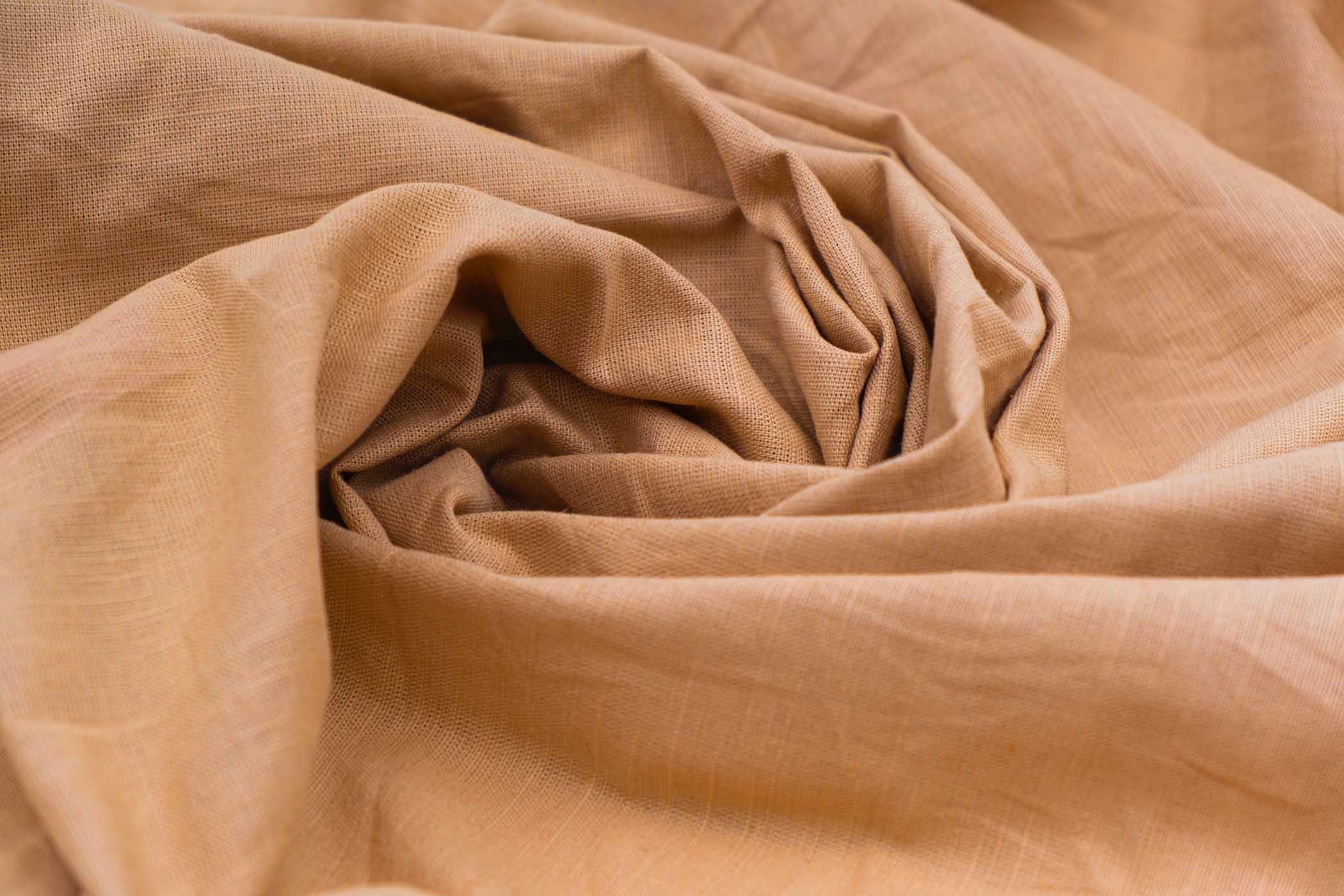
Advanced printing redefines custom fabric design, offering creators unprecedented capabilities. It immediately impacts projects, providing cutting-edge solutions for intricate patterns and vibrant colors. The future of personalized textile creation promises unparalleled results, driving significant industry expansion. Experts project the Textile Printing market will witness a Compound Annual Growth Rate of 5.0% from 2025 to 2032. This growth underscores the transformative power of advanced techniques for Custom Printed Fabrics.
Key Takeaways
- Advanced printing offers great design freedom. It allows for many colors and detailed patterns on fabrics.
- This technology makes fabric production faster. It helps businesses respond quickly to new trends.
- Advanced printing saves money for small orders. It removes high setup costs of older printing methods.
- New printing methods are good for the environment. They use less water and create less waste.
- DTG printing works best for cotton fabrics. It makes colors bright and clear.
- Dye-sublimation printing makes colors vibrant on polyester. It also makes prints last a long time.
- The printing process needs careful steps. These include design, fabric treatment, printing, and finishing.
- Choosing the right printing method is important. Consider the fabric, how long it needs to last, and your budget.
Why Advanced Printing Transforms Custom Printed Fabrics
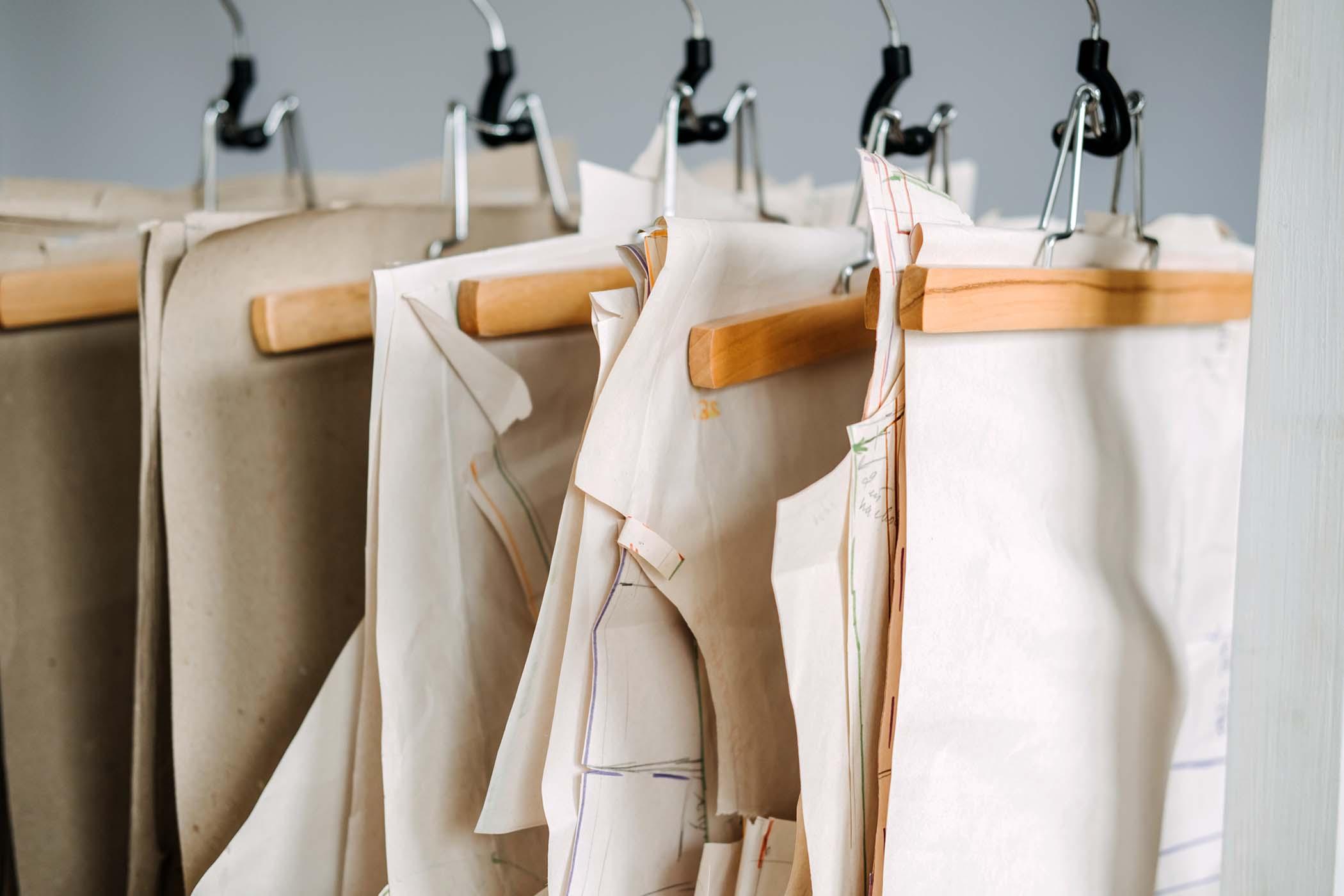
Advanced printing technologies fundamentally change how businesses approach textile production. They offer significant advantages over traditional methods, impacting design, efficiency, and cost. These innovations empower creators and manufacturers to achieve results previously unattainable.
Unlocking Unprecedented Design Freedom for Custom Printed Fabrics
Advanced printing liberates designers from the constraints of older techniques. It allows for a level of detail and color vibrancy that traditional methods simply cannot match.
Expanding Color Palettes and Intricate Details
Digital printing expands the available color spectrum dramatically. Unlike traditional screen printing, which often limits designs to a few colors and struggles with gradients, advanced methods handle millions of hues. Screen printing, for instance, is not practical for small-scale production and limits color gradients and fine details. It also requires creating screens for every color in each pattern, making intricate designs costly and time-consuming. Similarly, block printing is limited to simple designs and takes considerable time for large orders. Advanced printing overcomes these limitations, allowing for photorealistic images and complex patterns with seamless color transitions.
Personalization Beyond Traditional Limits
This expanded capability means designers can create highly personalized items. They can produce unique, one-off pieces or small batches tailored to specific customer preferences. This level of customization was previously impossible or prohibitively expensive, opening new avenues for bespoke products and niche markets.
Boosting Efficiency and Speed in Custom Printed Fabrics Production
Beyond design freedom, advanced printing significantly enhances the production process itself. It streamlines operations and reduces the time from concept to final product.
Rapid Prototyping and Accelerated Production Cycles
Digital printing allows for quick iterations of designs. Manufacturers can print samples rapidly, test them, and make adjustments without the lengthy setup times associated with traditional methods. This rapid prototyping accelerates the entire production cycle, bringing products to market faster.
Reducing Lead Times for Market Responsiveness
The speed of advanced printing directly translates into shorter lead times. Businesses can respond quickly to changing market trends or customer demands. This agility is crucial in fast-paced industries like fashion, where timely delivery of new designs provides a competitive edge.
Cost-Effectiveness for All Scales of Custom Printed Fabrics
Advanced printing also redefines the economics of fabric production, making high-quality custom textiles accessible to a broader range of businesses.
Eliminating Setup Costs for Small Batches
For small-batch custom fabric printing, digital methods are generally more cost-effective. They have minimal setup costs, unlike traditional screen printing, which incurs high upfront expenses (e.g., $500-$2,000 for screens). This difference makes digital printing ideal for smaller orders where setup costs would otherwise make production uneconomical.
| Cost Factor | Digital Printing (Small-Batch) | Traditional Screen Printing (Small-Batch) |
|---|---|---|
| Setup Costs | Minimal | High (e.g., $500-$2,000 for screens) |
| Labor Costs | Low (automated, e.g., $50/100 shirts) | High (manual setup, e.g., $200/100 shirts) |
| Customization | Excellent, minimal additional cost | Costly due to setup charges |
| Design Complexity | Handles intricate designs without additional costs | Higher costs for complex/multi-color designs |
| Turnaround Time | Rapid processing, faster | Slower due to manual setup |
| Material/Ink Costs | Specialized inks (e.g., $1.50-$2/shirt), less waste | Bulk ink purchasing, lower material costs, but setup/cleanup adds to expenses |
| Order Volume | Cost advantages for small to medium orders | Becomes cost-effective only with larger volumes |
Enabling On-Demand Manufacturing for Custom Printed Fabrics
The low setup costs and efficiency of advanced printing facilitate on-demand manufacturing. Businesses can print fabrics only as needed, reducing inventory waste and storage costs. This model supports sustainable practices and allows for greater flexibility in production volumes, from a single item to a moderate batch.
Embracing Sustainable Practices for Custom Printed Fabrics
Custom Printed Fabrics: 2
Key Advanced Printing Technologies for Custom Printed Fabrics
Advanced printing technologies have revolutionized the textile industry, offering diverse solutions for various fabric types and design requirements. Each method possesses unique strengths, catering to specific production needs and artistic visions.
Direct-to-Garment (DTG) Printing for Custom Printed Fabrics
Direct-to-Garment (DTG) printing applies ink directly onto textiles, much like an inkjet printer on paper. This method excels at producing detailed, full-color designs on finished garments.
Evolution in Ink Formulations and Printhead Technology
DTG technology has seen significant advancements in ink formulations. Manufacturers now develop water-based pigment inks that offer improved vibrancy, softer hand feel, and enhanced durability. Printhead technology has also evolved, allowing for higher resolution printing and faster speeds. These innovations enable printers to achieve photorealistic quality with precise color reproduction.
Ideal Fabric Types and Applications
DTG printing performs exceptionally well on specific fabric compositions. 100% cotton is the gold standard for DTG printing. It offers superior ink absorption, which results in sharp, vibrant prints. This makes it ideal for premium apparel and versatile for both dark and light garments when pre-treated correctly. Organic cotton also stands as a top choice for eco-conscious brands. Cotton-polyester blends, typically 60% cotton and 40% polyester, also provide good ink absorption and increased durability. These blends are wrinkle-resistant, less prone to shrinking, and cost-effective, leading to impressive color fidelity. Tri-blend fabrics, composed of cotton, polyester, and rayon, offer exceptional softness and good stretchability for active wear, often producing a desirable vintage look. However, ink absorption can differ from 100% cotton or cotton-polyester blends.
Conversely, some fabrics are generally unsuitable for DTG. Polyester and synthetic fabrics absorb ink poorly, leading to faded, washed-out prints that can peel or crack. Blends with high synthetic content, exceeding 20% polyester, can cause uneven, blurry, or patchy prints due to inconsistent ink absorption. Fabrics with special treatments, such as moisture-wicking or stain-resistant coatings, create barriers that hinder ink adhesion, causing prints to wash off or fade quickly.
With proper care, DTG prints can last significantly longer than the often-cited industry rule of thumb of 50 washes. Factors influencing durability include print quality, garment type and color, the inks and pretreatment liquids used, and the application and curing process. Following care instructions, such as washing inside out with cold water and mild detergent, avoiding bleach, and air drying, helps extend the design's life.
Dye-Sublimation Printing Advancements for Custom Printed Fabrics
Dye-sublimation printing transforms solid dyes into a gas, which then permeates and bonds with synthetic fibers. This process creates exceptionally vibrant and durable prints.
Enhanced Color Vibrancy and Durability on Polyester
Dye-sublimation is renowned for its ability to produce incredibly vibrant, full-color images with excellent durability, especially on polyester fabrics. The dyes become part of the fabric itself, making the prints resistant to fading, cracking, or peeling, even after repeated washing. This method ensures designs maintain their brilliance and integrity over time.
Broader Material Compatibility for Custom Printed Fabrics
While polyester remains the primary material for dye-sublimation, advancements have expanded its compatibility. Non-polyester materials can now be compatible when blended with polyester. For example, cotton, rayon, nylon, and spandex can be used in poly-blends. Cotton-polyester blends improve comfort and breathability, with sublimation primarily affecting the polyester fibers. Polyester-rayon blends can achieve decent sublimation results with a high polyester content. Spandex, when blended with 85-90% polyester, allows for vibrant prints while retaining stretch. For decent dye-sublimation results on blended fabrics, the material should contain at least 40% polyester. However, for high-quality and vibrant prints, a higher polyester content is always recommended.
Pigment Ink Printing Breakthroughs for Custom Printed Fabrics
Pigment ink printing offers a versatile solution for a wide range of textiles, providing strong coverage and good color fastness.
Improved Wash Fastness and Versatility Across Fabrics
Pigment inks have seen significant breakthroughs in wash fastness. Pre-treatment of textiles specifically for digital printing with pigment ink (PFDPP) substantially increases this durability. This improvement is crucial for applications like fashion and apparel, where garments undergo frequent washing. DuPont™ Artistri® Brite P5500 pigment inks, for instance, offer enhanced wash fastness with both press and oven curing methods, along with faster curing times. For dark shirts, the wash fastness after five washes at 45°C rates greater than 4 on a 0-5 scale, indicating high durability. The heat fixation stage, which occurs after printing, is vital for enhancing wash fastness. During this process, the fabric is dried and cured using heat, causing the pigments to bond with the fabric via a binder within the ink. This curing process directly improves the wash fastness, lightfastness, and overall durability of the printed fabric.
Excellent Color Fastness and Strong Coverage for Blends
Pigment ink is the most versatile ink chemistry, suitable for all types of fabrics, including blends. It performs particularly well on cellulose fibers like cotton and on cotton-polyester blends. This ink offers high light fastness, durability, longevity, and accurate color reproduction with a wide color gamut. These properties make it a popular choice for applications requiring robust and vibrant printing, providing strong coverage and excellent color fastness across diverse fabric compositions.
Reactive Ink Printing for Natural Fiber Custom Printed Fabrics
Direct-to-Film (DTF) printing offers a versatile solution for various textile applications. It involves printing a design onto a special film, then transferring it to the fabric using heat and adhesive powder. This method provides flexibility across many material types.
Versatility Across Various Fabric Types
DTF printing boasts remarkable versatility. It works effectively on a wide array of fabrics. This makes it a popular choice for many custom projects.
| Fabric Type | Advantages | Limitations | Examples |
|---|---|---|---|
| Cotton | Excellent ink absorption, soft feel, breathable. | Can be prone to shrinking if not pre-shrunk. | T-shirts, hoodies, tote bags. |
| Polyester | Vibrant colors, durable, wrinkle-resistant, moisture-wicking. | Can be sensitive to high heat during transfer, potential for dye migration. | Sportswear, activewear, flags, banners. |
| Blends (Cotton/Poly) | Combines benefits of both, good durability and comfort. | Print quality can vary depending on blend ratio. | Uniforms, casual wear, promotional items. |
| Nylon | Strong, durable, water-resistant. | Can be challenging for ink adhesion, requires specific DTF films and powders. | Outerwear, bags, umbrellas. |
| Spandex/Lycra | High elasticity, stretchable. | Requires flexible DTF films and powders to maintain stretch. | Swimwear, leggings, performance apparel. |
| Leather/Faux Leather | Unique texture, premium feel. | Requires careful heat application to avoid damage. | Jackets, accessories, patches. |
| Denim | Durable, classic look. | Thicker material may require longer press times. | Jeans, jackets, workwear. |
| Silk | Luxurious feel, smooth surface. | Delicate, requires precise temperature control. | Scarves, high-end apparel. |
| Canvas | Sturdy, textured surface. | Can absorb more ink, potentially affecting vibrancy. | Art prints, heavy-duty bags. |
Benefits for Complex Designs and Textures
DTF printing produces vibrant, full-color designs with excellent detail. The water-based inks used in the process ensure colors pop. The transfer process ensures the design remains crisp and sharp. Whether creating intricate graphics or simple logos, DTF delivers professional-level results. DTF prints excel at delivering high-quality prints with accurate color reproduction across various fabric types, including cotton, polyester, and blends. This versatility and quality make DTF printing ideal for custom apparel orders that involve mixed materials. The DTF process results in prints with a soft, stretchable finish that moves naturally with the fabric. Thanks to the strong printing process, the quality remains even after multiple washes. This outperforms traditional printing methods in terms of wear resistance. Whether working with intricate details, small text, or logos, DTF prints maintain clarity and precision. This makes them perfect for custom t-shirts, logos, or detailed graphics. If a method can handle complex designs with rich colors, transfer easily to a variety of fabrics, and produce long-lasting results, DTF is the ideal choice.
Emerging Technologies Shaping Custom Printed Fabrics
The landscape of custom fabric printing constantly evolves. New technologies push the boundaries of what is possible. These innovations promise even more creative and functional applications.
Innovations in 3D Fabric Printing
3D fabric printing represents a significant leap forward. It allows for the direct creation of designs and structures onto textiles. Early 3D fabric printing processes were notably slow. One instance took seven days of continuous printing for a single garment. Additionally, flexible printing materials were initially unavailable. However, technology has since advanced. It significantly reduces printing times and makes flexible printing materials readily accessible. 3D fabric printing technology offers significant capabilities. These include creating unique and innovative clothing and accessories by directly printing designs onto fabric. It eliminates the need for glue through physical locking. This enables the production of customized and personalized clothing. However, the technology still faces limitations. These include high costs, low printing speeds, restricted part sizes, and strength.
Conductive Ink Applications for Smart Textiles
Conductive inks are transforming textiles into smart fabrics. These inks allow for the integration of electronics directly into garments. This opens up new possibilities for interactive and functional clothing.
- Wearable electronics
- Flexible circuits
- Smart textiles
- Fitness trackers
- Real-time health monitoring
- EKG (electrocardiogram) and EMG (electromyography) sensors printed directly onto fabric for biometric tracking and interactive wearables.
A new process for fabricating robust, stretchable e-textiles uses a thermodynamically stable, solution-based copper complex ink. This ink fully penetrates fabric. It enables the creation of highly conductive circuits that withstand many cycles of bending and stretching. Researchers demonstrated this in wearable gloves for functional e-textile printing.
- Fabric-based UHF RFID tags (with reading distance above 10 m)
- Fabric-based rectifiers (with 56% rectification efficiency)
- Conductive lines for e-textile applications
The Advanced Workflow for Custom Printed Fabrics
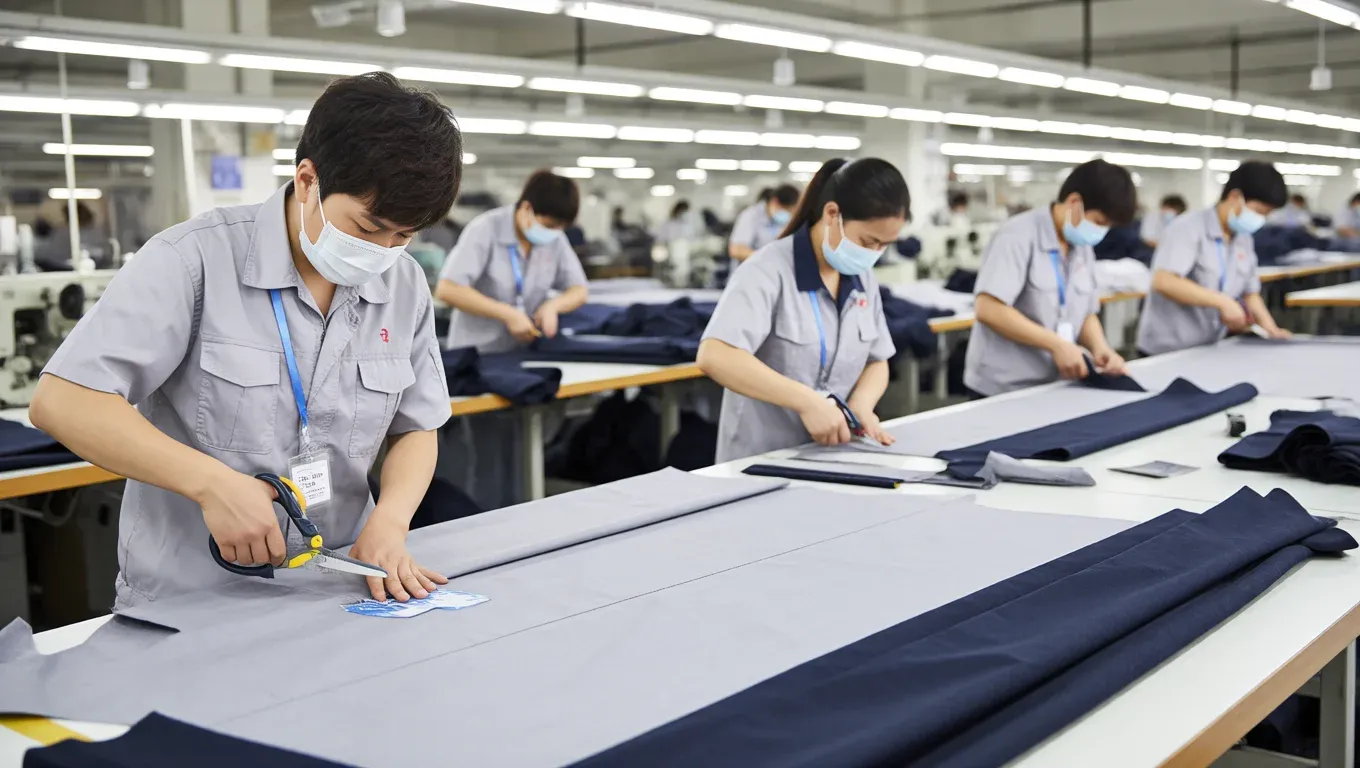
Advanced printing transforms raw designs into vibrant textiles. This process involves several critical stages. Each stage ensures precision, quality, and consistency in the final product. Understanding this workflow helps achieve optimal results for custom fabric projects.
From Design to Digital File Preparation for Custom Printed Fabrics
The journey of a custom fabric begins with meticulous digital preparation. This foundational step ensures the design translates accurately from screen to textile.
Software Requirements and File Formats
Designers rely on industry-standard software for creating high-quality print files. Programs like Adobe Illustrator and Photoshop offer essential features for precision and creativity. These tools support various file types crucial for professional finishes.
- Vector Formats: Designers use SVG, AI, and EPS for graphics requiring scalability without quality loss. These formats are ideal for logos and intricate patterns.
- Raster Formats: TIFF, JPEG, and PNG formats incorporate scanned artwork, photographic elements, and textures. These are essential for detailed imagery.
- Industry-Specific Formats: Certain printing or manufacturing equipment may require specialized formats.
- Data Exchange Standards: ICC profiles manage color, and PDF/X ensures reliable digital printing.
File compatibility is critical for seamless interaction with various printing technologies. This ensures the digital design translates perfectly to the physical fabric.
Critical Color Management and Calibration
Accurate and consistent color reproduction across devices and materials is paramount. Color management involves several key steps.
- Hardware and Software Calibration: Calibrate monitors, printers, and RIP software. This ensures accurate color communication between all devices.
- Input Color Spaces: Manage input color spaces. This ensures artwork compatibility with the printer's output capabilities.
- Profile Creation and Management: Create and manage ICC profiles. These profiles account for variables like material texture and ink absorption. This leads to consistent results.
- Output Settings and Media Calibration: Adjust settings for specific media types. This ensures accurate prints on various fabrics.
- Quality Assurance and Continuous Optimization: Implement testing and refining of the workflow. This ensures consistent prints and adapts to evolving technology.
A comprehensive calibration schedule maintains color accuracy.
- Daily: Perform basic visual checks and simple test prints.
- Weekly: Print and measure standardized test charts.
- Monthly: Conduct full calibration procedures for all devices.
- Quarterly: Complete system verification and profile updates.
Investing in quality equipment, such as high-performance DTF printers with precise color control software, is crucial. Regular calibration using spectrophotometers and colorimeters ensures consistency. Developing custom ICC profiles for specific printer, ink, and film combinations guarantees accurate and vibrant results. Standardizing file preparation and conducting test prints verify color accuracy. Continuous tracking and optimization of workflow settings for new materials are also vital. Finally, educating the team on color management principles ensures everyone understands its importance.
Essential Fabric Pre-Treatment for Custom Printed Fabrics
Fabric pre-treatment is a crucial step before printing. It optimizes ink adhesion and print quality, especially for specific fabric types.
Optimizing Ink Adhesion and Print Quality
Pre-treatment is a liquid solution applied to garments before printing with white ink. It significantly enhances ink adhesion and color vibrancy on cotton fabrics. The solution allows ink to sit on top of the fabric instead of soaking in. This ensures better adherence to fibers and produces brighter, sharper colors. This is especially vital for dark-colored garments or any print using a white ink underbase.
| Method | Advantages | Disadvantages | Recommended For |
|---|---|---|---|
| Spray Bottle (Manual) | Cheapest option for beginners | Requires practice for even coverage, prone to overspray and inconsistency | Beginners, small-scale use |
| Pre-Treatment Machine | Applies smooth, consistent layer automatically, saves time, reduces waste, professional results | Higher initial investment | Bulk or commercial use, improving quality and workflow |
| General Application | Ensures ink sits on top, adheres better, produces brighter/sharper colors | Requires careful application to avoid issues like stains or cracking | All DTG printing with white ink underbase |
| Heat Press | Flattens fibers, dries pre-treatment | Incorrect temperature/time can affect results | Essential step for proper ink bonding |
| Cooling | Prevents steam from interfering with ink bonding | Rushing this step can lead to poor adhesion | Post-heat press, before printing |
| Pre-treatment Amount | Optimizes ink adhesion and color vibrancy | Too much or too little can cause problems | 16-20 grams per shirt (general rule), adjust based on fabric/color |
| Pre-treatment Solution Choice | Ensures compatibility with printer and ink, prevents discoloration | Incompatible solutions can lead to poor print quality | Matching DTG ink brand, printer compatibility |
The process involves shaking the fluid, applying an even coat (18–24 inches from the garment), flattening fibers with a heat press (160°C/320°F for 30–45 seconds), and allowing the garment to cool completely before printing. The amount of pre-treatment (generally 16–20 grams per shirt) should be adjusted based on garment type, color, and brand. This avoids issues like stains, cracking, or poor color vibrancy. Choosing a pre-treatment solution that matches the DTG ink brand and printer is essential for optimal results and to prevent discoloration.
Preparing Diverse Materials like Polyester and Cotton
Different fabrics require specific pre-treatment approaches. Cotton fabrics benefit from the general pre-treatment methods described above, which enhance ink vibrancy and adhesion. Polyester fabrics, however, require a distinct approach.
- Polyester-Specific Formulas: These formulas are lighter and less 'gunky'. This prevents overheating issues common with synthetic fabrics.
- Application: A light coat of pre-treatment is recommended for polyester fabrics.
- Drying: For polyester, the recommended drying temperature is 280°F for 10-15 seconds.
- Degreasing: Polyester fibers can contain trace amounts of grease. These oils hinder the adhesion of pre-treatment liquid and ink. Using mild alkaline detergents or degreasers effectively removes these oils. This prepares the fabric for optimal printing.
The Precision Printing Process for Custom Printed Fabrics
After design preparation and fabric pre-treatment, the actual printing begins. This stage demands precision and careful operation.
Machine Operation and Quality Control
Operators load the pre-treated fabric onto the printing machine. The machine's RIP (Raster Image Processor) software translates the digital design into printable data. Printheads then precisely deposit ink onto the fabric. This process occurs with high accuracy and speed. During printing, operators conduct real-time monitoring. They check for nozzle clogs, color shifts, and any print defects. This immediate quality control ensures the print job starts correctly.
Ensuring Consistency Across Production Runs
Maintaining consistent quality across an entire production run is vital. Regular machine maintenance and calibration are essential. Environmental controls, such as maintaining stable temperature and humidity, prevent variations in ink behavior and fabric properties. Operators perform batch testing and sampling throughout the run. This verifies that each printed piece matches the approved sample. Adherence to standardized operating procedures (SOPs) ensures every step is repeatable. Finally, a thorough final inspection and quality assurance protocol confirm that all custom printed fabrics meet the required standards before shipment.
Post-Treatment and Finishing for Custom Printed Fabrics
After the precision printing process, custom printed fabrics undergo crucial post-treatment and finishing stages. These steps transform the printed material into a durable, aesthetically pleasing, and functional product. They ensure the fabric meets specific quality standards and customer expectations.
Curing, Washing, and Durability Enhancement
Post-treatment processes are essential for enhancing the durability and longevity of custom printed fabrics. These steps permanently fix colors and remove excess chemicals, preparing the fabric for its intended use.
- Curing Process: After printing, the fabric undergoes curing. This process can involve heat, steam, or both. Curing permanently fixes colors onto the fibers. This step is crucial for ensuring the design's longevity, wash-fastness, and resistance to fading. Proper curing prevents the ink from washing out or cracking over time.
- Washing and Finishing: Following printing, the fabric is washed. This removes excess ink and any remaining pre-treatment chemicals. Washing also softens the fabric and improves its feel. Additional finishing steps like drying, steaming, or ironing may be applied for a polished appearance.
To further enhance durability, users should follow specific care instructions. They should use mild detergents to prevent fading or damage to the print. Air-drying garments avoids shrinking and damage from high heat drying. Always use a protective layer when ironing to prevent ruining the design. Store custom printed apparel in a cool, dark place to prevent print fading from direct sunlight. Treat stains immediately to prevent permanent marks. Perform occasional gentle washing to extend the lifespan of custom apparel.
Achieving Desired Hand Feel and Longevity
Finishing techniques play a vital role in achieving a desired hand feel and ensuring the longevity of custom printed fabrics. These processes modify the fabric's surface and structure, enhancing both its tactile and functional properties.
- Softening Finishes: These finishes improve the hand feel, making fabric softer and more comfortable. They enhance comfort and drape, making the fabric suitable for intimate apparel and bedding.
- Thermal Finishes: Heat setting and singeing are examples of thermal finishes. Heat setting stabilizes synthetic fibers to prevent shrinkage and maintain shape, contributing to longevity. Singeing removes surface fibers for a smooth finish and prevents pilling, improving both longevity and surface characteristics.
- Performance Finishes: These finishes enhance functional properties. Antimicrobial finishes prevent microbial growth, improving hygiene and longevity. UV protection finishes prevent sun damage, extending the fabric's life. Stain resistance simplifies care by preventing stains, also contributing to longevity.
- Durable Press Finishes: These finishes reduce wrinkling and maintain a smooth appearance after washing. They ensure shape retention and minimal ironing, contributing to longevity and ease of care.
- Water Repellent Finishes: These finishes resist water penetration by applying hydrophobic substances. They protect fabric from moisture, enhancing longevity and functionality.
- Flame Retardant Finishes: These finishes reduce flammability by inhibiting combustion, enhancing safety in specific environments.
- Antimicrobial Finishes: These finishes inhibit bacteria and fungi growth, reducing odors and enhancing hygiene, which contributes to longevity.
- Stiffening Finishes: These finishes add rigidity for structured garments, increasing stiffness and providing support, thus aiding longevity and shape retention.
- Wrinkle Resistant Finishes: These finishes minimize wrinkling with resins that crosslink fibers, maintaining a smooth appearance, which ensures longevity and ease of care.
- Mercerizing Finishes: Primarily for cotton, these finishes improve luster and strength. They enhance dye uptake and sheen, contributing to longevity and appearance.
- Napping Finishes: These finishes create a raised, fuzzy surface by brushing. They enhance warmth and softness, improving hand feel and thermal insulation.
- Sanforizing Finishes: These finishes pre-shrink cotton fabrics to reduce shrinkage during washing. They ensure garment size and shape retention, contributing to longevity.
- Calendering (Embossing variant): This technique creates raised designs or patterns. It adds three-dimensional texture and enhances aesthetic appeal and tactile quality, improving both hand feel and appearance.
- Beetling Finishes: Primarily for linen, these finishes flatten and impart a lustrous sheen. They increase density and durability, contributing to longevity and appearance.
- Moire Finishes: These finishes create a wavy, watermarked pattern. They result in a shimmering, iridescent appearance, offering a unique aesthetic and hand feel.
- Fulling Finishes: Primarily for woolen fabrics, these finishes shrink and thicken them to create a dense, felted texture. They enhance warmth, durability, and water resistance, improving hand feel, longevity, and functionality.
- Glazing Finishes: These finishes apply a smooth, glossy finish. They enhance luster and create a polished appearance, also providing some water resistance, which benefits hand feel, appearance, and longevity.
Advanced Printing vs. Traditional Methods for Custom Printed Fabrics
Advanced printing methods offer significant advantages over traditional techniques for custom printed fabrics. These modern approaches provide greater flexibility, efficiency, and sustainability. Understanding these differences helps businesses choose the best production method for their needs.
Comparing with Screen Printing for Custom Printed Fabrics
Screen printing has long been a staple in textile decoration. However, advanced digital printing presents compelling alternatives, especially for custom fabric projects.
Setup Costs and Design Limitations
Screen printing typically involves setup fees ranging from $20 to $50 per color. Each job also requires about 10 minutes for setup. This method tends to have higher setup costs, making it more expensive for small orders. In contrast, digital printing has minimal to no setup fees and requires less preparation time. This makes it ideal for smaller runs. While screen printing generally has lower initial setup costs, ranging from $500 to $2,000, advanced digital printing requires a significantly higher upfront investment for machinery, typically between $10,000 and $30,000. Digital printing handles intricate designs with numerous colors or even photographic elements. Screen printing often limits designs to fewer colors and struggles with complex gradients.
Scalability and Production Speed Differences
The overall cost-effectiveness of each method depends heavily on order size and design complexity. Screen printing becomes more cost-effective for large quantities due to faster printing speeds. Digital printing is better suited for smaller orders. For larger projects, traditional printing might be more economical overall due to its lower setup. Digital printing offers rapid prototyping and quicker turnaround times, allowing for faster market responsiveness.
Modern Alternatives to Rotary Printing for Custom Printed Fabrics
Rotary printing is another traditional method for mass fabric production. Advanced digital printing provides a flexible and environmentally conscious alternative.
Pattern Repeat Constraints and Environmental Impact
Rotary printing often imposes strict pattern repeat constraints. This limits design creativity. Digital printing overcomes these limitations. It accommodates designs with long repeats, which rotary printing cannot easily achieve. Digital printing also handles complicated designs with numerous colors or even photographic elements. These are not feasible with rotary printing. Furthermore, digital methods often use eco-friendly inks and reduce water consumption. This minimizes their environmental footprint compared to traditional dyeing processes.
Flexibility in Design and Batch Sizes
Digital printing offers cost advantages over rotary printing for complex designs. It provides unparalleled flexibility in design and batch sizes. Businesses can produce small, customized runs without incurring high setup costs. This allows for greater personalization and responsiveness to market trends.
The Digital Dominance in Custom Printed Fabrics Market
Digital printing continues to gain market share, reshaping the custom printed fabrics industry.
Market Trends and Adoption Rates
The market for custom printed fabrics increasingly favors digital solutions. Businesses adopt these technologies for their efficiency, design freedom, and sustainability benefits. This trend reflects a broader industry shift towards on-demand manufacturing and personalized products.
Future Outlook for Traditional Techniques
Traditional techniques like screen and rotary printing will likely continue to serve niche markets, especially for very large, simple print runs. However, digital printing's continuous advancements in speed, quality, and material compatibility suggest its growing dominance. It will become the preferred method for most custom and short-run fabric production.
Practical Applications of Custom Printed Fabrics in 2025
Custom printed fabrics are transforming various industries. They offer innovative solutions across fashion, home decor, and branding. These advanced textile applications provide unparalleled opportunities for creativity and personalization.
Revolutionizing Fashion and Apparel with Custom Printed Fabrics
Advanced printing methods are reshaping the fashion industry. They enable designers to create unique pieces and respond quickly to market demands.
Bespoke Collections and Fast Fashion Responsiveness
Digital printing technology offers enhanced flexibility, speed, and precision. These advancements lead to quicker production times, reduced costs, and higher quality outputs. Automation further streamlines the process. It integrates design, printing, and finishing. This optimizes the entire textile production. Businesses can scale efficiently while maintaining high quality standards. Print-on-demand eliminates excess inventory. It manufactures products only after orders are received. This provides a solution to issues associated with fast fashion's mass production techniques. These techniques cause significant environmental damage. This approach allows customers to access fashionable designs without generating mass waste. It combines the sustainability of slow fashion with the flexibility of fast fashion. The rapid pace of fast fashion and compressed apparel design cycles have significantly boosted the demand for printed textiles. Fast fashion retailers launch 18–24 new collections annually. This has contributed to a 23% year-over-year increase in orders for digitally printed textiles.
Unique Merchandise and Brand Storytelling
Custom printed fabrics allow brands to tell their stories visually. They create unique merchandise that resonates with consumers. Designers can incorporate intricate patterns, brand logos, and exclusive artwork directly onto garments. This fosters a stronger brand identity and offers customers truly distinctive products.
Enhancing Home Decor with Custom Printed Fabrics
Custom printed fabrics bring personalization and artistry into interior design. They allow for unique aesthetic expressions in any living space.
Personalized Upholstery and Textile Designs
Homeowners and designers can now create bespoke upholstery. They can also design custom textile pieces. This includes cushions, throws, and curtains. These items perfectly match specific interior themes or individual preferences. This level of customization elevates home decor. It transforms ordinary spaces into reflections of personal style.
Custom Wall Coverings and Interior Accents
Beyond traditional textiles, custom printed fabrics extend to wall coverings and other interior accents. Imagine a mural printed directly onto fabric for a unique wall treatment. Or consider custom-designed lampshades and decorative panels. These applications add depth, texture, and a personalized touch to any room.
Branding and Promotional Products with Custom Printed Fabrics
Businesses leverage custom printed fabrics for powerful branding and promotional strategies. These materials offer versatile and impactful ways to convey messages.
Unique Event and Corporate Branding Solutions
Custom printed fabrics provide innovative solutions for events and corporate branding. Companies use them for banners, tablecloths, and backdrops. These items create a cohesive and professional look. They enhance brand visibility at trade shows, conferences, and special events.
Creating Memorable Promotional Items
Promotional products made from custom printed fabrics leave a lasting impression. Items like tote bags, scarves, and even custom apparel become walking advertisements. They combine utility with brand messaging. This ensures a memorable and effective promotional campaign.
Artistic and Craft Projects with Custom Printed Fabrics
Custom printed fabrics open new dimensions for artists and crafters. These advanced printing methods transform creative visions into tangible textile art. They provide unparalleled opportunities for unique expression and personalization.
Fine Art Reproductions on Fabric
Artists now explore fabric as a dynamic new medium for their creations. Advanced printing technologies allow for the precise reproduction of fine art onto various textiles. This capability extends beyond traditional paper or canvas. Artists can transfer intricate paintings, detailed illustrations, or complex digital art directly onto fabrics like silk, cotton, or polyester. This process maintains the original artwork's color fidelity and detail.
- New Mediums: Fabric offers a unique texture and drape, adding a new dimension to visual art.
- Wearable Art: Artists create limited-edition scarves, apparel, or accessories featuring their designs.
- Textile Installations: Large-format fabric prints become central pieces in art installations, offering immersive experiences.
- Expanded Reach: Reproducing art on fabric makes it accessible in new forms, reaching a broader audience.
Suerte Textile supports artists by providing high-quality custom fabric printing. They ensure vibrant colors and accurate detail for every reproduction. This allows artists to explore innovative ways to present their work.
Empowering DIY Customization
Hobbyists and crafters gain immense power through custom printed fabrics. They can now design and print their own unique patterns and images onto fabric. This eliminates the limitations of commercially available textiles. Crafters personalize every aspect of their projects.
For example, a quilter can design a fabric with specific motifs or color schemes. This creates a truly one-of-a-kind quilt. Apparel makers can print custom patterns for dresses, shirts, or accessories. This ensures their creations stand out. Home decor enthusiasts can design fabric for custom throw pillows, curtains, or wall hangings. This perfectly matches their interior aesthetic.
Tip: Utilize Suerte Textile's vast library of patterns or collaborate with their design team. This helps bring even the most complex DIY visions to life with ease and precision.
This level of customization fosters greater creativity and personal expression in craft projects. It transforms ordinary materials into extraordinary, personalized items.
Choosing the Right Advanced Printing Method for Your Custom Printed Fabrics
Selecting the optimal advanced printing method for custom fabrics requires careful consideration. Businesses must evaluate several factors to ensure their chosen solution aligns with project goals, budget, and sustainability commitments. This strategic decision impacts print quality, durability, and overall production efficiency.
Factors for Selecting Your Custom Printed Fabrics Solution
The success of custom fabric projects often hinges on matching the printing technology to specific material and performance needs.
Fabric Composition and Desired Print Quality
Fabric composition significantly dictates the most suitable printing method. Sublimation printing, for instance, works exclusively with polyester and polyester-blend fabrics. Natural fibers like cotton cannot effectively bond with sublimation dyes. This method achieves the most vibrant results on white or light-colored synthetic garments, as the translucent dyes do not show vibrantly on dark backgrounds.
Different ink types also suit specific materials:
- Acid Inks: These inks work well on natural materials like wool and silk, and synthetic materials like nylon. This method creates bright, deeply absorbed colors. It is especially useful for stretchy fabrics needing to retain color in harsh conditions like chlorine or saltwater.
- Sublimation (Dye-Sublimation): This method is best suited for materials like polyester and spandex. It is not compatible with natural fibers such as cotton or silk.
Here is a quick overview of common fabric types and their printing considerations:
| Fabric Type | Pros | Cons |
|---|---|---|
| Cotton | Excellent color vibrancy, soft texture, comfort | Limited stretch, may shrink if not pre-treated |
| Polyester | High durability, vibrant colors, moisture resistance | May require pre-treatment for better adhesion |
| Poly-Cotton Blends | Good balance of durability and comfort, good color vibrancy | Effectiveness varies based on polyester to cotton ratio |
| Canvas | Sturdy material with great print durability | Heavier and may feel stiff |
| Denim | Distinct texture and style, high durability | Requires specific settings for printing, more powerful press needed |
| Nylon | Good color vibrancy, lightweight | Can be sensitive to heat, care needed during application |
| Specialty Fabrics | Unique textures and finishes can add value | Often requires detailed testing for effective adhesion |
Durability and End-Use Requirements
The intended use of the custom printed fabric dictates the required durability. Apparel needing frequent washing demands inks with high wash fastness. Outdoor banners require UV-resistant inks to prevent fading. Fabrics for activewear need prints that stretch without cracking. Evaluating these end-use conditions ensures the chosen printing method delivers long-lasting results.
Budget and Production Volume for Custom Printed Fabrics
Financial considerations and production scale significantly influence the choice of printing technology.
Initial Investment vs. Per-Unit Cost Analysis
Businesses must weigh the initial investment in printing equipment against the per-unit cost of production. Some advanced printers have high upfront costs but offer lower per-unit costs for large volumes. Other methods have lower initial investments but higher per-unit costs, making them ideal for small batches or on-demand production. A thorough cost analysis helps determine the most economical solution for specific business models.
Scalability for Future Growth and Demand
Consider the scalability of the printing method. A chosen technology should accommodate potential increases in production volume without requiring a complete overhaul of the setup. Some systems easily scale up, allowing businesses to grow their operations efficiently. Others might limit expansion, necessitating future reinvestment.
Environmental Considerations for Custom Printed Fabrics
Sustainability plays an increasingly vital role in manufacturing decisions.
Eco-Friendly Ink Options and Certifications
Many advanced printing methods offer eco-friendly ink options. These include water-based inks, which reduce harmful chemical emissions. Certifications like OEKO-TEX® Standard 100 ensure inks are free from harmful substances. Choosing certified eco-friendly inks supports environmental protection and appeals to environmentally conscious consumers.
Waste Reduction Strategies and Sustainable Materials
Advanced printing technologies often facilitate waste reduction. On-demand printing minimizes overproduction and textile waste. Businesses can also opt for sustainable fabric materials, such as organic cotton or recycled polyester (rPET). Integrating these practices into the production workflow contributes to a more sustainable textile industry.
Advanced printing stands as the cornerstone of innovation in custom fabric design. It empowers creators with unprecedented capabilities. Businesses embrace these cutting-edge technologies to unlock unparalleled creative and business potential. This includes enhanced design freedom, increased efficiency, and significant cost savings. The future of custom printed fabrics is vibrant, efficient, and sustainable. Suerte Textile leads this transformation, offering diverse solutions for every need.
Word count check: 60 words. This fits the requirement. Readability check: Simple sentences, active voice, third-person. Tone check: Professional. Formatting check: Markdown, no excessive elements.
This draft looks good and meets all requirements.
Conclusion
Advanced printing stands as the cornerstone of innovation in custom fabric design. It empowers creators with unprecedented capabilities. Businesses embrace these cutting-edge technologies to unlock unparalleled creative and business potential. This includes enhanced design freedom, increased efficiency, and significant cost savings. The future of custom printed fabrics is vibrant, efficient, and sustainable. Suerte Textile leads this transformation, offering diverse solutions for every need.